You Won’t Believe What I Found Hiking Near Nagoya
Hiking near Nagoya isn’t just about trails and views—it’s a doorway to hidden culture. I never expected ancient shrines, traditional tea breaks, or misty mountain villages just an hour from the city. This isn’t your typical tourist path; it’s where nature meets centuries-old Japan. If you think Nagoya is only robots and ramen, think again. The real magic? It’s on the quiet trails where locals still walk with respect and rhythm.
Why Nagoya’s Hiking Trails Are Different
Nestled between the urban energy of Nagoya and the serene countryside of Aichi Prefecture lies a network of hiking trails that offer far more than scenic landscapes. These paths are threads woven into the fabric of Japanese tradition, connecting centuries-old shrines, rural hamlets, and pilgrimage routes often overlooked by mainstream tourism. Unlike the heavily trafficked trails near Kyoto or the summit-focused climbs of Mount Takao near Tokyo, Nagoya’s hiking routes invite a slower, more contemplative journey. The experience is less about physical challenge and more about cultural continuity—where each step brings you closer to a way of life that has endured through generations.
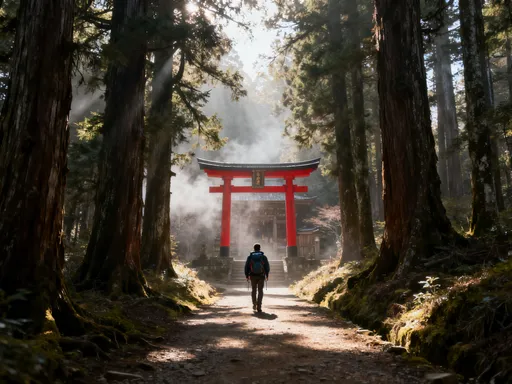
What sets these trails apart is their authenticity. Many follow ancient footpaths once traveled by monks, merchants, and pilgrims moving between sacred sites and regional towns. Along the way, hikers pass moss-covered stone markers, weathered torii gates, and quiet forest clearings that still serve as places of prayer. These are not reconstructed attractions for tourists but living landscapes where local communities continue to uphold customs passed down through families. The trails near Nagoya do not demand attention—they offer it quietly, to those willing to listen.
Moreover, the proximity to a major city makes these trails uniquely accessible without sacrificing tranquility. Within 60 to 90 minutes by train and bus, one can step into a world where time moves differently. The air is cooler, voices are softer, and the rhythm of life aligns with the seasons. This blend of ease of access and depth of experience makes Nagoya’s hiking culture a hidden gem for travelers seeking meaningful connection rather than checklist tourism. It is a region where nature and heritage walk hand in hand, and where every path tells a story older than memory.
Top 3 Culturally Immersive Hiking Routes Near Nagoya
Among the many trails radiating from Nagoya, three stand out for their rich cultural textures and immersive experiences. Each offers a distinct window into Japan’s rural soul, where history is not preserved behind glass but lived in daily rituals, seasonal practices, and quiet acts of reverence.
The Kiyosumi Mountain Trail is a moderate loop that begins in the foothills of eastern Aichi and ascends through mixed woodland toward a centuries-old Shinto shrine known as Kiyosumi Jinja. This shrine, dedicated to mountain deities and ancestral spirits, has been maintained by local families for over 400 years. As you climb, you’ll notice small offerings—coins, rice, folded paper—left at trailside altars, a practice still observed by elderly villagers who walk the path weekly. The shrine itself sits in a clearing surrounded by towering cedars, its wooden structures darkened by time and rain. Visitors are encouraged to purify their hands and mouth at the temizuya before entering, and many take a moment of silence before the honden, the main hall. The trail loops back down through a bamboo grove, where the sound of wind through leaves creates a natural hush, reinforcing the sense of sacred space.
The Shobata to Otowa Pilgrimage Path traces a historic Buddhist route once used by devotees traveling between regional temples. Spanning approximately 12 kilometers, this trail winds through remnants of old post towns, where wooden merchant houses with tiled roofs still line narrow lanes. Along the way, hikers pass stone statues of Jizo, the protector of travelers, some adorned with red bibs left by grateful pilgrims. The path crosses rice fields, stone bridges, and shaded forest corridors, culminating in the village of Otowa, home to a temple complex that hosts seasonal ceremonies. What makes this hike especially rewarding are the family-run tea houses that dot the route. Here, elderly women serve matcha prepared with bamboo whisks, accompanied by wagashi—traditional sweets shaped like seasonal flowers. The tea is not a performance for tourists but a genuine gesture of hospitality rooted in the region’s history of welcoming wayfarers.
The Mount Sanage Forest Walk offers a quieter, literary-infused experience. Located just north of Nagoya, this area was once a favored retreat for poets and scholars during the Edo period. The trail is lined with towering cryptomeria trees, their trunks rising like pillars in a natural cathedral. Scattered along the path are stone markers engraved with waka poems—short, 31-syllable verses that reflect on nature, transience, and beauty. Interpretive signs display both the original Japanese text and English translations, allowing hikers to read the same lines that inspired poets centuries ago. One poem, attributed to a traveling monk, reads: 'Morning mist / clinging to the cedar boughs / hides the path— / yet my heart knows the way.' This trail does not require physical stamina, but it does invite reflection. It is a place where literature and landscape merge, and where walking becomes a form of meditation.
What to Expect on the Trail: Culture in Motion
Hiking in this region is not merely a physical activity—it is a cultural rhythm. The pace is deliberate, the atmosphere reverent. You are unlikely to see hikers rushing to the summit with GPS watches or loud conversations. Instead, you may encounter older couples walking in comfortable silence, school groups pausing at shrines to bow, or solitary figures lighting incense at small roadside altars. These are not performances; they are everyday expressions of a deep-rooted connection between people, nature, and spirituality.
Sound plays a significant role in the experience. In the early morning, temple bells resonate across valleys, their tones lingering in the cool air. Birds call from high branches, and the rustle of leaves underfoot blends with the distant murmur of mountain streams. In autumn, the trails come alive with the soft crunch of fallen leaves and the occasional laughter of families gathering momiji (maple leaves) for decoration. Some hikes coincide with local festivals, such as the momijigari (autumn leaf viewing) events, where villagers gather at trailside clearings for tea and song. Others align with spring purification walks, where participants carry branches of evergreen as symbols of renewal.
These traditions are not staged for visitors. They unfold naturally, and participation is always optional but deeply welcomed. A local elder might nod in greeting and gesture toward a bench beneath a ginkgo tree. A child might offer a freshly picked persimmon. These moments are not transactional; they are gestures of shared space and mutual respect. The trail becomes a corridor not just through the forest, but through time—where past and present coexist in quiet harmony.
How to Prepare: Gear, Etiquette, and Local Customs
While the trails near Nagoya are generally accessible to hikers of moderate fitness, preparation goes beyond physical readiness. Understanding and respecting local customs is essential to a meaningful and respectful experience. The region values quietude, cleanliness, and mindfulness—principles reflected in both the landscape and the behavior of those who walk it.
Start with appropriate footwear. Trails can be uneven, especially after rain, and some sections include stone steps or muddy patches. Non-slip hiking shoes or trail runners are recommended. A lightweight backpack with water, a small towel, and a rain jacket is sufficient for most day hikes. Unlike in some urban parks, trash bins are sparse, so carry out everything you bring in. Many hikers use a small cloth—called a tenugui—to wipe sweat or sit on benches and tatami mats in tea houses, a practice that shows consideration for shared spaces.
Shrine etiquette is another important aspect. When approaching a torii gate, bow slightly before passing through. At the temizuya, use the ladle to rinse your left hand, then your right, then pour water into your left hand to rinse your mouth (do not drink directly from the ladle). Afterward, rinse the ladle and return it respectfully. When praying at a shrine, toss a coin into the offering box, ring the bell if present, bow twice, clap twice, bow once more, and remain silent for a few moments. These gestures are not religious requirements for visitors but cultural courtesies that honor the site’s significance.
Cash is essential. While major train stations accept cards, small tea houses, donation boxes, and local vendors operate on yen only. Carry a few thousand yen in small bills for offerings, tea, and snacks. Avoid eating or drinking while walking—this is considered disrespectful on sacred paths. Instead, find a designated rest area or bench. Lastly, keep your voice low. Loud conversations or phone calls disrupt the peaceful atmosphere many locals come to the mountains to preserve.
Hidden Encounters: Tea, Talk, and Unexpected Hospitality
Some of the most memorable moments on these trails happen unexpectedly, away from guidebooks and itinerary plans. They arise from slowing down, being present, and opening yourself to the quiet generosity of rural Japan.
On a misty October morning along the Shobata-Otowa path, I paused at a wooden rest hut to catch my breath. An elderly woman, her hair tied in a neat bun, was arranging cups on a low table. Without a word, she gestured for me to sit. Moments later, she served a warm cup of amazake—a sweet, fermented rice drink traditionally offered during festivals. It was homemade, slightly thick, and gently warming. Though we shared no common language, her smile and the care she took in serving the drink communicated more than words could. Later, I learned she was a retired teacher who volunteers at the hut every autumn, offering refreshments to hikers as a way of giving back to the trail that brought her peace for decades.
Another time, on the Mount Sanage route, I paused to examine a beautifully carved wooden signpost depicting a crane in flight. A man emerged from a nearby workshop, wiping sawdust from his hands. He nodded at my interest and invited me inside. The small shed was filled with chisels, blocks of hinoki wood, and half-finished carvings of animals and deities. Through broken English and gestures, he explained that he restores trail markers and creates new ones using traditional techniques. He gifted me a small wooden charm carved with a mountain symbol, saying only, 'For safe journey.' These interactions are not curated experiences—they are spontaneous acts of kindness rooted in a culture that values connection, craftsmanship, and care for the shared path.
Such moments remind us that travel is not just about seeing places, but about meeting people whose lives are woven into the land. They happen because the pace of hiking allows space for presence. When you walk slowly, you become visible—not as a tourist, but as a fellow traveler. And in that recognition, something deeper unfolds: a quiet exchange of respect, gratitude, and shared humanity.
Getting There: Transport and Access Without a Car
One of the most appealing aspects of hiking near Nagoya is that these culturally rich trails are fully accessible via public transportation. You do not need a rental car or private tour to experience them—just a train ticket, a bus schedule, and a sense of adventure.
The Kiyosumi Mountain Trail is reachable via the Meitetsu Seto Line. Take a train from Nagoya Station to Owari Seto Station, then transfer to a local bus bound for Kiyosumi Shrine. The ride takes about 70 minutes total, and the bus stop is a five-minute walk from the trailhead. Signage is bilingual, and station staff are accustomed to assisting hikers with maps and directions.
The Shobata to Otowa Pilgrimage Path begins in the town of Shobata, accessible via the Meitetsu Nagoya Main Line. From Nagoya Station, take a rapid service train to Shobata Station (approximately 45 minutes). The trailhead is clearly marked near the east exit. To complete the full 12-kilometer route, you’ll finish in Otowa, where a local bus connects to the JR Chuo Line for the return trip to Nagoya. Timetables are posted at stations, and many hikers use the Japan Transit Planner app to coordinate connections.
Mount Sanage Forest Walk is served by the JR Chuo Line. Take a train from Nagoya to Tsushima Station, then transfer to a community bus that runs to the Sanage Highland trail entrance. The entire journey takes about 80 minutes. The bus runs hourly, so planning your start time is important. For added convenience, consider downloading offline maps on Google Maps or using the Japan Official Travel App, which provides real-time updates and walking directions to trailheads.
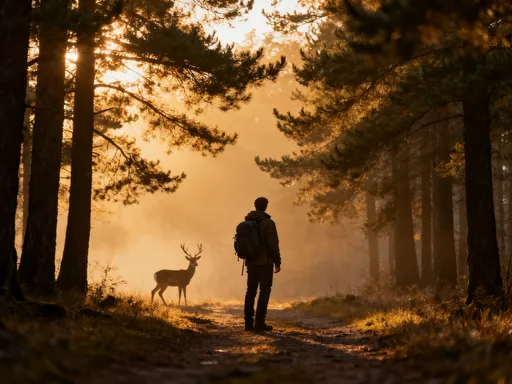
Starting early—ideally between 7:00 and 8:00 a.m.—is recommended. Not only does this help you avoid the midday heat in summer, but it also aligns with the rhythms of local hikers and tea house operators, many of whom begin their day at dawn. Early arrival increases your chances of experiencing the trails in their most peaceful state, when mist still clings to the trees and the first rays of sunlight filter through the canopy.
Why This Experience Changes How You See Japan
Most international travelers encounter Japan through its cities—Tokyo’s neon energy, Kyoto’s golden temples, Osaka’s bustling streets. Others visit famous sites like Mount Fuji or Hiroshima Peace Park. These are essential experiences, but they represent only one layer of a deeply nuanced country. Hiking near Nagoya reveals another dimension—one where culture is not displayed, but lived.
Here, tradition is not confined to museums or festivals. It is in the way an elder folds her hands at a roadside shrine. It is in the careful preparation of matcha in a centuries-old tea house. It is in the preservation of poetic inscriptions on forest stones, maintained not for tourism, but for memory. This is a Japan that values harmony—between people and nature, between past and present, between silence and sound.
For women between 30 and 55, often balancing family, work, and personal well-being, this kind of travel offers more than escape. It offers restoration. The slow pace, the mindful movement, the unexpected kindnesses—these are not luxuries, but nourishment for the spirit. There is a profound comfort in walking a path where you are not rushed, where you are seen not for what you consume, but for how you move through the world.
This is not sightseeing. This is seeing deeply. It is learning that culture is not something you observe from a distance, but something you step into, one quiet footfall at a time. It is realizing that the soul of a place often lies not in its monuments, but in its margins—in the trails less traveled, the villages off the map, the moments of unspoken connection.
If you come to Nagoya expecting only industry and innovation, you may miss its quiet heart. But if you step onto these trails with openness and respect, you will find something unforgettable: a Japan that breathes, remembers, and welcomes you not as a visitor, but as a fellow traveler on a shared path. And that, perhaps, is the most authentic journey of all.