You Won’t Believe What I Found Exploring Bohol’s Hidden Districts
Bohol isn’t just about chocolate hills and tarsiers—there’s a whole other side waiting to be discovered. As I wandered beyond the postcard spots, I stumbled upon vibrant city districts bursting with local life, color, and unexpected charm. From quiet colonial streets to buzzing market corners, each neighborhood tells its own story. This is travel at its most authentic—real, raw, and full of surprises. If you're ready to see Bohol like a true insider, keep reading.
Beyond the Tourist Trail
Bohol’s global fame rests firmly on its natural wonders—the sweeping Chocolate Hills, the wide-eyed tarsiers of Corella, and the winding beauty of the Loboc River. These attractions draw thousands every year, and rightly so. Yet, for all their grandeur, they represent only part of Bohol’s soul. Beyond the postcard-perfect panoramas lies a quieter, more intimate dimension: the island’s urban heart, where daily life unfolds in a rhythm shaped by history, tradition, and community. While most visitors pass through Tagbilaran City with little more than a glance, those who linger discover neighborhoods rich with cultural texture, colonial echoes, and vibrant local energy.
This deeper Bohol isn’t hidden in remote jungles or guarded by entrance fees. It lives in the laughter of vendors at morning markets, the scent of freshly baked pan de sal drifting from corner bakeries, and the quiet dignity of centuries-old churches shaded by acacia trees. These urban spaces offer more than scenery—they offer context. They reveal how Boholños live, remember, celebrate, and adapt. For travelers seeking authenticity, stepping into these districts is not just a detour; it’s an essential chapter in understanding the island’s full character.
What makes this urban exploration so rewarding is its accessibility. You don’t need special permits or guided treks to experience it. A pair of comfortable shoes, a respectful demeanor, and a willingness to wander are all it takes. Whether you’re drawn to architecture, food, or human connection, Bohol’s city districts deliver with sincerity and warmth. And in doing so, they transform a standard island getaway into a journey of genuine discovery.
Tagbilaran City: More Than Just a Gateway
Often dismissed as a mere transit point between ferry terminals and inland tours, Tagbilaran City deserves recognition as a destination in its own right. As the capital of Bohol, it serves as the island’s administrative, economic, and cultural nucleus. Far from being a soulless urban stopover, Tagbilaran pulses with a balanced energy—modern enough to offer convenience, yet deeply rooted in heritage. Its streets form a living map of Bohol’s evolution, where sleek shopping centers stand just blocks away from Spanish-era plazas and centuries-old religious landmarks.
One of the city’s most significant sites is the Blood Compact Shrine, a monument commemorating the historic 1565 pact between Spanish explorer Miguel López de Legazpi and local chieftain Datu Sikatuna. This symbolic gesture of peace, carved in bronze and elevated on a hilltop, offers not only panoramic views of the city and coastline but also a powerful reminder of Bohol’s early role in Philippine history. Nearby, the Tagbilaran City Hall and the Provincial Capitol reflect a blend of neoclassical and tropical design, with wide colonnades and shaded courtyards that invite pause and reflection.
What makes Tagbilaran particularly welcoming is its walkability. Unlike sprawling metropolises, the city center is compact and navigable on foot. A morning stroll along Carlos P. Garcia Avenue reveals a mix of old and new—local government offices, family-run eateries, pharmacies, and sari-sari stores that serve as neighborhood hubs. Public plazas, like the Plaza Rizal at the city’s heart, are gathering spots where elders play chess, children chase pigeons, and vendors sell fresh coconut water under wide umbrellas. These everyday scenes, unscripted and unhurried, offer a rare window into Filipino urban life at its most grounded.
For those seeking a moment of calm, the Santo Niño Church stands as a serene anchor amid the city’s rhythm. Its modest façade belies a peaceful interior, where soft light filters through stained glass and the scent of incense lingers in the air. Attending a quiet midday Mass here isn’t just a religious experience—it’s a cultural immersion, a chance to observe the quiet devotion that shapes many Boholños’ daily lives. Tagbilaran, in all its understated grace, proves that the most meaningful travel moments often happen not in grand attractions, but in the spaces in between.
The Charms of Heritage Districts: Colonial Echoes and Local Pride
Scattered throughout Tagbilaran and nearby towns are neighborhoods that time seems to have gently preserved. These heritage districts, though modest in size, carry the weight of centuries in their architecture and atmosphere. Tree-lined avenues, stone churches, and ancestral homes with capiz-shell windows whisper stories of Bohol’s colonial past, when Spanish influence mingled with local craftsmanship to create a distinct island identity. Unlike reconstructed historical sites, these areas are not frozen in time—they are lived-in, cared for, and deeply cherished by their residents.
The area surrounding the Cathedral of Saint Joseph the Worker, locally known as the Tagbilaran Cathedral, is a prime example. Built in the 18th century and rebuilt after wartime damage, the cathedral’s coral stone façade and twin belfries speak to both resilience and artistry. The surrounding streets—like P. Burgos and Rizal Streets—feature homes with wide wooden doors, high ceilings, and ornate iron grilles, many of which have been passed down through generations. These houses, often painted in soft pastels, are not museums but homes, where families gather, children do homework on verandas, and elders sip tea in the late afternoon.
What sets these districts apart is the pride residents take in their heritage. During festivals like the Sandugo Festival in July, many open their homes to visitors, displaying antique furniture, family heirlooms, and handwoven textiles. These glimpses into private spaces are not commercialized tours but acts of cultural sharing, rooted in a desire to preserve memory and identity. Walking through these neighborhoods feels like moving through a living archive—one where history is not explained through plaques, but felt in the texture of weathered walls and the warmth of a neighbor’s greeting.
Preservation efforts are often community-driven, supported by local historians and civic groups who advocate for careful restoration and mindful development. There is a quiet understanding that these spaces are not just aesthetic relics but vessels of identity. For travelers, the experience is equally emotional and educational. To stand beneath a centuries-old acacia tree, listening to the chime of church bells while a grandmother sweeps her front steps, is to witness continuity—a sense that Bohol’s past is not distant, but present, shaping the island’s character one day at a time.
Market Districts: Where Daily Life Comes Alive
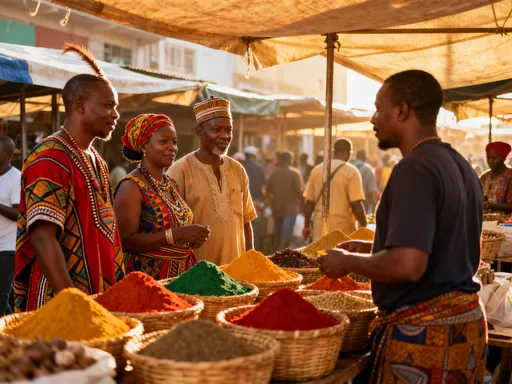
If heritage districts speak to Bohol’s past, its markets speak to its present. These bustling hubs of commerce are where the island’s rhythm is most palpable—where the scent of ripe mangoes mingles with the sizzle of grilled fish, where the clatter of scales and the hum of barter create a symphony of daily survival and celebration. Unlike tourist-oriented bazaars, places like the Tabunok Public Market and the downtown Tagbilaran Market are functional, unpolished, and refreshingly real. They are not staged for cameras but built for life.
At dawn, the market comes alive with farmers unloading crates of vegetables from nearby towns—crisp eggplants, leafy malunggay, and bright orange kamote tops. Fishmongers arrange glistening tilapia, lapu-lapu, and tiny sardines on beds of ice, their voices rising in friendly competition. But it’s not just about food. Vendors sell handwoven baskets, rubber slippers, school supplies, and even live chickens, all arranged in a seemingly chaotic yet deeply organized ecosystem. The colors are vivid, the air thick with humidity and humanity, and the energy contagious.
For visitors, engaging with these markets is one of the most rewarding ways to connect with local culture. A simple purchase—buying a bundle of pandan leaves or a piece of cassava cake—becomes a micro-interaction rich with meaning. Vendors often smile at clumsy Tagalog attempts, patiently repeating prices or offering samples. These exchanges, though brief, foster genuine warmth. And for those willing to linger, the market reveals deeper layers: the elderly woman who’s sold dried fish for 40 years, the young mother bargaining for school supplies, the group of men sharing coffee at a plastic table under a tarp.
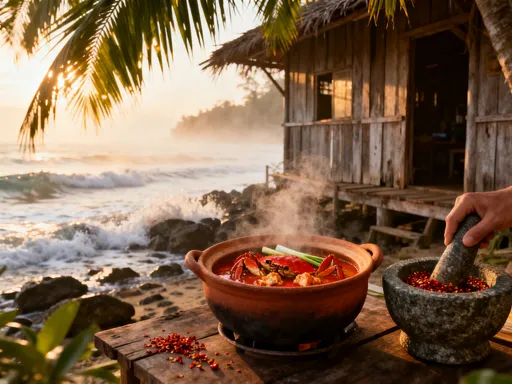
Street food is another highlight. From binignit—a sweet coconut stew with root crops and bananas—sold in clay pots, to puso (hanging rice) wrapped in palm leaves and served with grilled meat, the flavors are hearty and homegrown. Eating here isn’t about fine dining; it’s about nourishment, tradition, and community. The market, in all its unfiltered vitality, reminds us that travel is not just about seeing, but about sensing—smelling, tasting, listening, and feeling the pulse of a place.
Emerging Neighborhoods: Bohol’s Quiet Urban Evolution
While the past and present thrive in Bohol’s older districts, the island’s future is quietly taking shape in its emerging neighborhoods. On the outskirts of Tagbilaran and in towns like Cortes and Balilihan, new residential communities, shopping strips, and civic spaces are redefining what island living looks like in the 21st century. These areas may lack the photogenic charm of colonial streets or the sensory richness of markets, but they offer something equally valuable: insight into how Bohol is growing without losing itself.
Modern housing developments, often gated and tree-lined, reflect rising prosperity and a desire for comfort and security. Many are designed with communal spaces—parks, playgrounds, and basketball courts—that encourage neighborly interaction. Nearby, small shopping centers house pharmacies, fast-food outlets, and appliance stores, catering to the needs of a changing population. These conveniences, once limited to major cities, are now part of everyday life for many Boholños, signaling a shift in lifestyle without erasing tradition.
What’s striking is how these new spaces coexist with rural elements. A newly paved road might lead to a cluster of modern homes, but just beyond lies a rice field or a coconut plantation. Children ride bicycles past construction sites, then stop to climb a mango tree. This blend of progress and continuity suggests a community that values development but not at the cost of identity. Eco-friendly initiatives, such as community gardens and waste segregation programs, are also gaining traction, showing a growing environmental awareness.
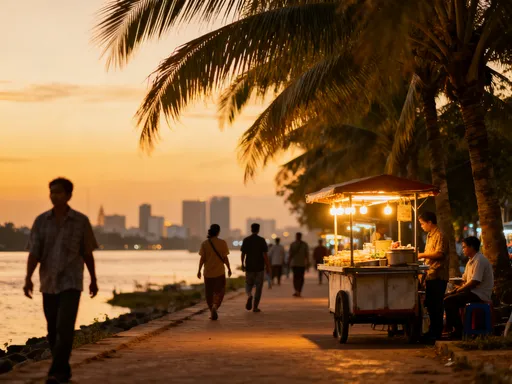
For travelers, visiting these areas offers a balanced perspective. It dispels the myth that Bohol is frozen in time, revealing instead a dynamic society adapting to new realities. A walk through a neighborhood park at sunset, where families fly kites and teenagers play music on guitars, is a quiet testament to resilience and hope. These moments, though ordinary, are deeply human—and they complete the picture of Bohol as not just a destination, but a living, breathing community.
Practical Insights: Navigating City Districts with Ease
Exploring Bohol’s urban areas is both safe and accessible, especially for travelers who approach with curiosity and respect. The island’s infrastructure, while not as extensive as in major cities, is well-suited to casual exploration. Jeepneys—colorful, open-sided buses—are a budget-friendly way to travel longer distances, following set routes through and between towns. For shorter trips, tricycles (motorcycles with sidecars) are widely available and can be hired for a few hundred pesos per hour, making them ideal for family visits or market runs.
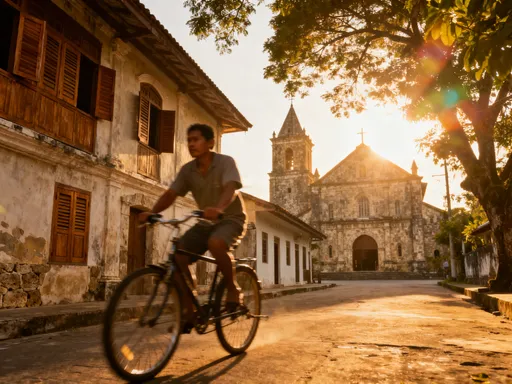
Bike rentals are another excellent option, particularly in Tagbilaran, where traffic is manageable and many streets are shaded. Cycling allows for a slower, more immersive experience, letting you notice details—a mural on a wall, a cat napping on a windowsill—that might be missed from a vehicle. Many guesthouses and hotels offer bicycles free of charge, and local operators provide guided city tours that combine history, food, and culture.
When visiting markets or residential areas, a few simple guidelines enhance both comfort and respect. Dress modestly—light cotton clothing is ideal for the heat, but avoid overly casual beachwear in urban settings. Greet people with a smile or a soft “kumusta” (hello); Filipinos appreciate the effort, even if your pronunciation is imperfect. Bargaining is acceptable in markets, but should be done politely and without aggression. And while photography is generally welcomed, always ask permission before taking pictures of people, especially in private or religious spaces.
Language is rarely a barrier. Most Boholños speak English fluently, especially in service roles, and are eager to help. Cash remains the primary mode of payment, though some larger stores and cafes now accept digital wallets or card payments. The best times to visit markets are early morning (6–9 a.m.) when produce is freshest, and weekends, when the energy peaks. For a cultural highlight, plan your trip around the Sandugo Festival in July, when the city comes alive with parades, reenactments, and community feasts.
Why City Districts Matter: Enriching the Bohol Experience
It’s easy to view Bohol through the lens of its natural wonders—spectacular, yes, but incomplete. To focus only on landscapes is to see the island as a postcard rather than a home. The city districts, with their layers of history, culture, and daily life, provide the missing context. They answer the quiet questions that arise when we gaze at the Chocolate Hills: Who lives here? How do they remember? What do they value?
These neighborhoods add emotional depth to travel. They transform sightseeing into storytelling. A visit to the Blood Compact Shrine gains meaning when you later hear a local recount the tale to a grandchild in the plaza. The taste of fresh piaya (a sweet flatbread) is sweeter when you’ve watched it being made in a market stall. The beauty of a colonial façade is more profound when you learn it was rebuilt by the community after a storm.
Moreover, engaging with urban Bohol fosters mutual respect. It acknowledges that destinations are not just resources for tourism but living spaces shaped by generations. When travelers support local vendors, respect customs, and listen to stories, they contribute to a more sustainable and human-centered form of tourism. This kind of travel doesn’t just enrich the visitor—it honors the host.
And in a world where many places are losing their uniqueness to globalization, Bohol’s city districts stand as a quiet resistance. They are not themed attractions or replicas, but real communities holding onto identity with quiet determination. To walk through them is to witness resilience, warmth, and pride—qualities that no brochure can fully capture.
Discover the Bohol Only Locals Know
Bohol’s magic is not confined to its famous hills or tiny primates. It lives in the hum of morning markets, the shade of centuries-old trees, and the quiet dignity of neighborhoods that have weathered time with grace. The island’s true beauty lies in its layers—natural and urban, ancient and modern, seen and unseen.
The next time you visit, let go of the checklist. Step off the tourist path and into the streets where real life unfolds. Walk slowly. Listen. Smile. Let a vendor hand you a slice of ripe mango. Sit in a plaza as the sun sets. These moments, unscripted and unhurried, are where travel becomes transformation.
Bohol invites you not just to see, but to understand. To not only photograph, but to remember. Its city districts are not hidden—they are waiting. And for those willing to look closer, the island reveals its full heart: vibrant, resilient, and deeply human.