Lost in the Wild Just Outside Wrocław – You Won’t Believe What I Found
Imagine lacing up your hiking boots in the heart of a vibrant European city and, within minutes, stepping into untouched forests, wandering along quiet riverbanks, and discovering hidden trails that feel worlds away. That’s exactly what I experienced hiking near Wrocław, Poland—a place I never expected to offer such raw natural beauty. This isn’t just a city trip; it’s an outdoor escape waiting to be explored. Far from the crowded tourist paths of Western Europe, Wrocław delivers a refreshing blend of cultural richness and immediate access to serene wilderness. What surprised me most was how effortlessly the urban landscape gives way to quiet woodlands and meandering rivers, offering hikers of all levels a chance to reconnect with nature without leaving the city behind.
Why Hiking Around Wrocław Surprised Me
When I first arrived in Wrocław, my expectations were firmly rooted in city life—historic architecture, cozy cafés, and a lively arts scene. I had no idea that just beyond the cobblestone streets and bustling market squares lay an expansive network of forests, river trails, and green corridors teeming with life. The city sits at the intersection of several major rivers, most notably the Odra and its tributaries, which carve through the landscape like natural highways for exploration. These waterways are flanked by wide belts of protected green space, forming ecological corridors that support diverse plant and animal life while also serving as accessible outdoor recreation zones.
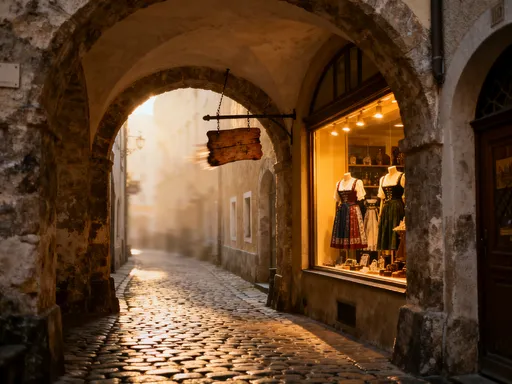
What struck me immediately was the seamless transition from urban to wild. Within a twenty-minute walk from the city center, the sounds of traffic fade, replaced by birdsong and the gentle rustle of leaves in the wind. The contrast is both striking and comforting. Unlike many European cities where nature feels like a distant weekend excursion, Wrocław integrates the wild into its daily rhythm. Parks like Szczytnicki and Grunwaldzki are not mere decorative spaces—they are entry points to longer trails, functioning as gateways to deeper immersion. I realized that this city doesn’t just coexist with nature; it embraces it as an essential part of urban well-being.
The geographical layout plays a crucial role in this harmony. Wrocław is surrounded by low hills, wetlands, and ancient woodlands that have been preserved over decades, some dating back to medieval forest management practices. The city’s planners have long recognized the value of green infrastructure, ensuring that residential areas are connected to natural spaces through pedestrian and cycling paths. This intentional design makes hiking not a luxury reserved for weekends, but a realistic option for daily walks, morning jogs, or after-work escapes. For someone like me—a traveler who values both culture and quiet reflection—this balance was nothing short of transformative.
The Best Hiking Spots Within Reach of the City
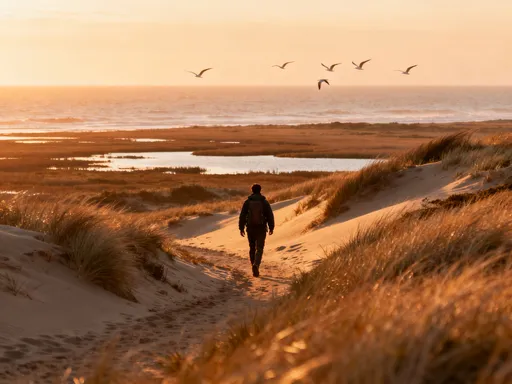
One of the most rewarding aspects of hiking near Wrocław is the variety of trails available, each offering a distinct experience. The Odra River Valley stands out as a premier destination for both casual strollers and serious hikers. Following the river’s course, the valley features well-maintained dirt paths that wind through floodplain forests and open meadows. In spring, the undergrowth bursts with wild garlic and bluebells, filling the air with a delicate fragrance. The trail is relatively flat, making it ideal for families or those seeking a gentle walk, yet it stretches for miles, allowing more experienced hikers to extend their journey deep into the surrounding countryside.
Another favorite is Świętynia Forest, located just northwest of the city center. This dense woodland covers over 3,000 hectares and offers a true sense of seclusion despite its proximity to urban areas. The forest is crisscrossed with marked trails, some leading to quiet observation platforms overlooking marshlands where kingfishers and herons can be spotted. The terrain here varies—some paths are soft with pine needles, others rocky and slightly uneven—providing a more engaging physical challenge. One particular route circles a small lake where locals kayak in summer and ice-skate in winter, adding a charming seasonal rhythm to the landscape.
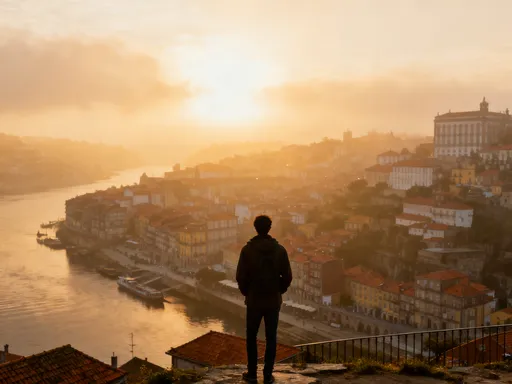
For those seeking a bit more elevation, Chełm Mount offers a modest but satisfying climb. At just over 200 meters, it may not compete with alpine peaks, but its summit rewards hikers with panoramic views of Wrocław’s red rooftops framed by rolling green hills. The trail leading up is well-marked with red and yellow blazes, following an old forest service road that gradually ascends through mixed deciduous and coniferous trees. Along the way, interpretive signs share information about local geology and forest ecology, enriching the experience with educational value. Whether you choose a short loop or a longer circuit connecting to regional trails, Chełm provides a perfect blend of physical activity and scenic payoff.
What unites these locations is accessibility. None require a car or extensive planning—each can be reached within thirty minutes from central Wrocław using public transportation. This ease of access transforms hiking from a special occasion into a regular habit, allowing residents and visitors alike to weave nature into the fabric of their daily lives.
What to Pack and Expect on Local Trails
Preparing for a hike near Wrocław means dressing for a temperate climate with unpredictable shifts. The region experiences four distinct seasons, each bringing its own challenges and rewards. Spring and autumn are particularly variable—mornings may begin crisp and clear, only to give way to afternoon showers. Layering is essential: a moisture-wicking base layer, a warm mid-layer like fleece, and a waterproof outer shell will keep you comfortable in changing conditions. Even in summer, temperatures can dip in shaded forest areas, so carrying a light jacket is always wise.
Footwear is another critical consideration. While the city sidewalks are paved, the trails often consist of packed earth, loose gravel, or muddy sections after rain. Sturdy hiking shoes with good ankle support and grip are recommended, especially for longer routes or those venturing into less-maintained areas. Trail runners may suffice on well-groomed paths like those along the Odra, but for forests such as Świętynia, where roots and rocks create uneven footing, proper boots make a noticeable difference in safety and comfort.
Backpacks should include water—at least one liter for hikes under three hours—and high-energy snacks such as nuts, dried fruit, or granola bars. Though small convenience stores can be found near trailheads, options diminish once you’re deep in the woods. It’s also helpful to carry a simple first-aid kit, insect repellent (especially in early summer when ticks are active), and sunscreen. A compact map or offline version of a trail navigation app can prevent disorientation, particularly in areas where signage may be sparse or only in Polish.
Trail markings in Poland typically follow a color-coded system—red, blue, green, and yellow bars painted on trees or posts—indicating different levels of difficulty and route directions. Red usually signifies main trails, often longer and more challenging, while green tends to mark easier paths. Paying attention to these markers ensures you stay on course. Additionally, checking local weather forecasts before departure helps avoid unexpected downpours or extreme heat, both of which can affect trail conditions. By preparing thoughtfully, hikers set themselves up for a safe and enjoyable experience, no matter the season.
How Public Transport Gets You to Trailheads Effortlessly
One of the most impressive features of Wrocław is how seamlessly its public transportation system connects city dwellers to nature. Unlike many cities where outdoor adventures require a car, Wrocław offers reliable bus and regional train services that deliver hikers directly to trail access points. The municipal transit authority, MPK, operates an integrated network that includes trams, buses, and commuter trains, all coordinated under a single ticketing system. This makes spontaneous hikes not only possible but genuinely convenient.
For example, reaching the northern edge of Świętynia Forest is as simple as taking tram line 12 to the Plac Grunwaldzki stop, then transferring to bus 106, which runs every 30 minutes and drops passengers near the forest’s southern entrance. The entire journey takes less than 25 minutes from the city center. Similarly, accessing the Odra River trails is easy via bus 109, which follows the riverbank and stops at multiple entry points ideal for riverside walks. Regional trains operated by Polregio connect to more distant trailheads, such as those near the village of Jordanów Śląski, where longer, more secluded routes begin.
Tickets are affordable and flexible. Single rides cost just a few zlotys, but for hikers planning a full day outdoors, a 24-hour or 48-hour pass offers unlimited travel across all modes. These passes can be purchased at kiosks, tram stops, or via a mobile app, making them easy to obtain even on short notice. Importantly, bicycles are allowed on most buses and trains outside peak hours, allowing cyclists to combine transport modes for extended explorations.
The efficiency of this system removes one of the biggest barriers to outdoor activity: logistical complexity. There’s no need to rent a car, navigate parking, or worry about fuel costs. Instead, you can wake up on a Saturday morning, decide you want to hike, and be on a trail within half an hour. This accessibility democratizes the outdoors, making it available not just to adventurers with vehicles, but to anyone—families, seniors, solo travelers—who wants to enjoy fresh air and natural beauty. It reflects a broader cultural value in Poland: that time in nature is not a privilege, but a right.
Encountering Nature: Wildlife and Landscapes Along the Way
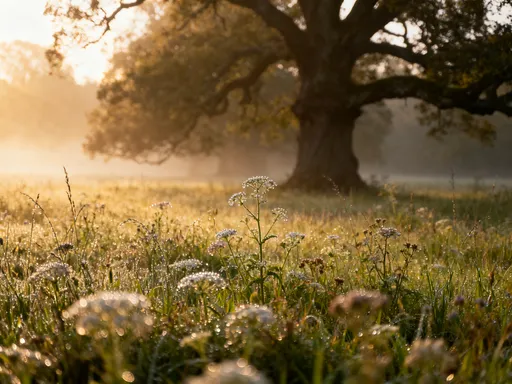
Hiking near Wrocław is not merely about physical movement—it’s a sensory experience that awakens the senses and calms the mind. As I walked along the Odra River one misty morning, the surface of the water shimmered with silver light, broken only by the slow glide of a grey heron stalking fish in the shallows. Kingfishers darted between branches, their electric-blue feathers flashing like sparks in the dim light. On the forest floor, mushrooms sprouted in clusters after recent rains, and the scent of damp earth and pine resin filled the air.
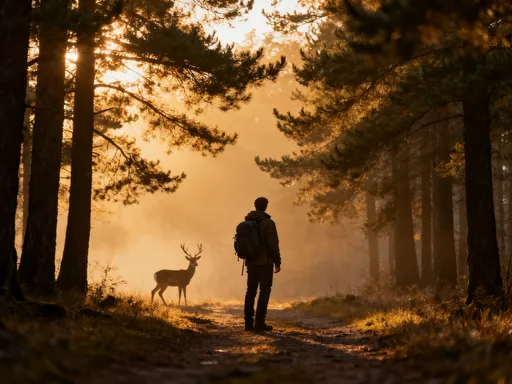
In Świętynia Forest, I once paused beside a clearing and watched a roe deer emerge from the underbrush, ears twitching, before vanishing silently into the trees. Such moments of quiet connection with wildlife are common here, made possible by the careful preservation of natural habitats. The city’s green corridors act as safe passages for animals, allowing species like foxes, badgers, and even wild boar to thrive in close proximity to human settlements without conflict. Birdwatchers will appreciate the diversity: woodpeckers drumming on trunks, owls calling at dusk, and warblers filling the canopy with song during migration seasons.
The seasonal changes bring their own magic. In late April, the forest floor turns white with blooming anemones, while May brings carpets of yellow primroses. Summer sunlight filters through dense canopies, casting dappled patterns on the path, and in autumn, the leaves transform into brilliant shades of amber, crimson, and gold. Even winter has its appeal—frosted branches glitter under pale sun, and the silence is profound, broken only by the crunch of snow underfoot.
These landscapes offer more than visual beauty; they provide emotional restoration. The rhythm of walking, the sound of wind in the trees, the absence of digital noise—all contribute to a sense of inner peace. For women in their 30s to 50s, often balancing family, work, and personal well-being, such spaces offer a rare opportunity to reset. There’s something deeply affirming about standing on a hilltop, breathing deeply, and feeling momentarily unburdened by daily responsibilities. Nature here doesn’t demand anything—it simply welcomes, listens, and restores.
Balancing Adventure and Safety in Lesser-Known Areas
While the trails around Wrocław are generally safe and well-maintained, venturing into less-frequented areas requires a mindful approach. One of the joys of hiking is the sense of discovery, but it’s important to respect boundaries and local guidelines. Staying on marked paths protects both hikers and the environment—many of these forests are designated as nature reserves, where trampling sensitive vegetation or disturbing wildlife can have long-term consequences. Signage may be minimal in remote sections, so carrying a map or GPS device is a small precaution that can prevent getting lost.
Weather changes can occur quickly, especially in spring and autumn. A sunny morning can turn into a cold, rainy afternoon, increasing the risk of hypothermia if unprepared. Sudden fog can reduce visibility, making navigation difficult even on familiar trails. For this reason, checking the forecast and informing someone of your route and expected return time is a simple but effective safety measure. Even a short two-hour hike benefits from this practice, particularly when hiking alone.
Terrain can also vary significantly. Some trails cross wetlands or areas prone to mud, where footing may be unstable. Others pass over rocky outcrops or tree roots that can cause trips or falls, especially when damp. Wearing appropriate footwear and maintaining awareness of your surroundings reduces these risks. It’s also wise to carry a whistle or small flashlight, even on daytime hikes, in case of unexpected delays.
Responsible hiking also means leaving no trace. Carrying out all trash, avoiding feeding animals, and refraining from picking plants help preserve the integrity of these spaces for future visitors. Dogs are welcome on many trails but should be kept on leashes to prevent disturbances to wildlife. By practicing these principles, hikers contribute to the sustainability of the very environments they come to enjoy.
Why This Experience Changed My View of City Travel
Before visiting Wrocław, I thought of city travel in traditional terms: museums, restaurants, shopping, and historical landmarks. While I enjoyed all of those, it was the unexpected access to nature that left the deepest impression. This city redefined what an urban destination can offer—not just culture and convenience, but also tranquility and rejuvenation. Hiking wasn’t a side activity; it became central to my experience, shaping how I moved through the city and how I felt during my stay.
What I learned is that the best travel experiences often come from blending the planned with the spontaneous, the cultural with the natural. A morning spent exploring a Gothic cathedral could be followed by an afternoon walking through ancient woodland, the contrast enriching both experiences. The ability to shift between urban energy and forest stillness created a rhythm that felt deeply nourishing. For women who travel not just for leisure but for renewal, this balance is invaluable.
Wrocław demonstrates that cities don’t have to be separate from nature—they can be gateways to it. Its thoughtful integration of green spaces into the urban fabric offers a model for sustainable living and holistic well-being. It reminds us that adventure doesn’t always require long flights or expensive gear; sometimes, it begins with a short bus ride and a pair of comfortable shoes.
My hope is that more travelers will begin to see hiking not as a detour from their itinerary, but as an essential part of it. Whether you’re in Europe or elsewhere, look for the green edges of the city. Seek out the rivers, the forests, the hidden trails just beyond the noise. You might be surprised by what you find—not just in the landscape, but within yourself. Because sometimes, the most transformative journeys are the ones that start closest to home.