You Won’t Believe These Hidden Wild Places Near Punta del Este
When you think of Punta del Este, Uruguay, glitzy beaches and luxury yachts probably come to mind. But just beyond the postcard-perfect coastline lies something wilder—protected natural areas bursting with native birds, untouched dunes, and quiet trails where the only sound is the wind. I was shocked how few tourists know about these spots. This isn’t just another beach town—it’s a gateway to real nature. Let me show you the side of Punta most people completely miss.
Beyond the Glamour: Discovering Punta del Este’s Natural Secret
Punta del Este is globally celebrated for its polished image—sleek marinas, designer boutiques, and sun-drenched shores where the elite unwind. Yet, within a short drive from this cosmopolitan buzz, an entirely different world unfolds. Hidden behind coastal scrub and shifting dunes are protected natural reserves that remain largely untouched by mass tourism. These areas, though close to the city, feel remote and serene, offering a rare chance to experience Uruguay’s Atlantic coast as it existed before development. The contrast between the urban energy of Punta and the quiet resilience of its surrounding ecosystems could not be starker.
What makes these wild spaces even more remarkable is their accessibility. Travelers don’t need to embark on a long expedition to find solitude and natural beauty. Within 20 to 30 minutes of leaving the main resort zones, one can step into landscapes where pampas grass sways in the ocean breeze and herons glide above tidal flats. These areas are not accidental remnants—they are intentionally preserved through environmental zoning and conservation planning. The Uruguayan government, in collaboration with local stakeholders, has designated several coastal corridors as protected zones to safeguard native flora and fauna.
The existence of these natural sanctuaries near such a high-profile destination speaks to a growing awareness: tourism and conservation can coexist. While many visitors come for the vibrant nightlife and gourmet dining, a growing number are seeking meaningful experiences that connect them with place and planet. The hidden wild places near Punta del Este cater to this shift in travel values, offering a counterbalance to the region’s glamour. They invite travelers to trade sun loungers for walking trails, and cocktail hours for birdwatching at dawn.
Exploring these areas changes the rhythm of a vacation. Instead of passive consumption, visitors engage their senses—listening to the rustle of reeds, watching the flight patterns of shorebirds, feeling the texture of wind-carved sand. This kind of immersive experience fosters a deeper appreciation for the natural world. It also reveals an essential truth: the beauty of Punta del Este is not limited to its human-made attractions. Its true richness lies in the delicate balance between development and preservation.
Why Protected Areas Matter in a Tourist Hotspot
In a place as heavily visited as Punta del Este, the presence of protected natural areas is not just a luxury—it is a necessity. Coastal ecosystems like dunes, wetlands, and native grasslands perform vital environmental functions that directly benefit both wildlife and people. Dunes, for instance, act as natural barriers against storm surges and coastal erosion. When left undisturbed, they absorb wave energy and protect inland areas from flooding, a growing concern in the face of climate change and rising sea levels.
Wetlands, though often overlooked, are equally important. They filter rainwater and runoff, improving water quality before it reaches the ocean. This natural filtration helps maintain the clarity and cleanliness of nearby beaches, which in turn supports tourism. Cleaner water means safer swimming, better visibility for snorkeling, and healthier marine life. Moreover, wetlands serve as nurseries for fish and crustaceans, sustaining local food webs and supporting small-scale fishing communities.
These ecosystems also play a crucial role in supporting biodiversity. The Atlantic coast of Uruguay lies along migratory routes used by numerous bird species. Each year, shorebirds such as the Hudsonian godwit and the white-rumped sandpiper travel thousands of miles from the Arctic to South America, relying on stopover sites like the wetlands near Punta del Este to rest and refuel. Without these protected areas, such long-distance migrations would become increasingly difficult, threatening the survival of many species.
For visitors, the benefits of these preserved spaces are both tangible and emotional. Observing a pair of southern lapwings guarding their nest or spotting a rare rufous-necked wood rail in the underbrush adds a layer of wonder to any trip. These moments of connection with wildlife create lasting memories far more profound than those formed by shopping or dining. More importantly, they foster a sense of responsibility. When travelers understand that the beauty they enjoy is the result of active conservation, they are more likely to support sustainable practices.
Preservation also ensures long-term resilience. Overdevelopment can degrade natural systems, leading to sand loss, water pollution, and habitat fragmentation. By protecting key areas now, local authorities are investing in the future appeal of the region. A destination that offers both luxury and authentic natural experiences will continue to attract discerning travelers for generations. In this way, conservation is not a constraint on tourism—it is its foundation.
La Barra to José Ignacio: A Coastal Nature Corridor
Stretching eastward from Punta del Este, the coastal strip between La Barra and José Ignacio forms one of Uruguay’s most ecologically significant corridors. This narrow ribbon of land, flanked by the Atlantic Ocean on one side and freshwater lagoons on the other, supports a remarkable diversity of habitats. It is here that travelers can witness the dynamic interplay between marine, estuarine, and terrestrial ecosystems—all within a relatively compact area.
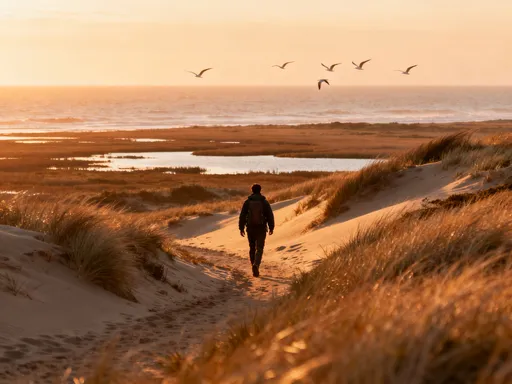
One of the standout natural features along this route is the Cerro León dune system. Rising above the coastline, these ancient sand formations are stabilized by native vegetation such as beach grass and sea lavender. Unlike the manicured shores of central Punta, Cerro León remains largely wild, with trails winding through undisturbed dunes. Hiking here offers panoramic views of the ocean and the chance to spot species like the South American gray fox or the endemic Uruguay lizard. Early morning visits are especially rewarding, as the light casts long shadows across the sand and birds are most active.
Near Arroyo José Ignacio, the landscape shifts to include extensive wetlands fed by seasonal streams. These marshy areas attract a wide variety of waterfowl, including black-necked swans, coscoroba swans, and several species of herons and egrets. Birdwatchers can spend hours quietly observing from designated viewing platforms or secluded paths. The wetlands also support amphibians and reptiles, such as the Uruguayan tree frog and the Argentine black and white tegu, contributing to the area’s rich biodiversity.
Access to this corridor is straightforward but requires some planning. The main road, Route IB, connects La Barra to José Ignacio and passes close to several entry points for nature trails. Parking areas are available near key intersections, though signage may be minimal. Travelers are advised to carry a map or use offline GPS tools to locate trailheads. While some paths are well-maintained, others are informal and may become muddy after rain. Sturdy footwear, sun protection, and plenty of water are essential.
What makes this coastal corridor particularly special is its sense of continuity. Rather than isolated parks, the protected areas form a connected network that allows wildlife to move freely. This ecological connectivity is vital for species survival, especially in the face of habitat loss elsewhere. For visitors, it means the possibility of multi-day exploration—hiking one section today, returning to another tomorrow—without ever leaving the natural landscape.
The Role of Local Conservation Initiatives
The preservation of these wild areas is not accidental; it is the result of sustained effort by local communities, environmental groups, and public agencies. While large international organizations often dominate conservation headlines, the real work on the ground is frequently carried out by small, dedicated teams who know the land intimately. In the Punta del Este region, various grassroots initiatives focus on habitat restoration, species monitoring, and environmental education.
One of the most visible efforts is the removal of invasive plant species that threaten native ecosystems. Plants like acacia and pampas grass, introduced for ornamental or erosion control purposes, have spread aggressively in some areas, outcompeting local flora. Volunteers regularly organize workdays to clear these invasives and replant native species such as coastal myrtle and sandberry. These restoration projects not only improve biodiversity but also engage residents and visitors in hands-on conservation.
Another key activity is wildlife monitoring. Local teams conduct regular surveys to track bird populations, document reptile sightings, and assess the health of dune systems. This data helps inform management decisions, such as where to restrict access during nesting season or how to prioritize restoration efforts. Some programs also involve citizen scientists—travelers who contribute observations through mobile apps or guided walks, adding valuable information to long-term ecological records.
Environmental education is equally important. Schools in nearby towns often organize field trips to the reserves, teaching children about native species and the importance of protecting natural spaces. Interpretive signs along trails provide information in both Spanish and English, helping visitors understand what they are seeing and why it matters. These small but consistent efforts build a culture of stewardship that extends beyond protected boundaries.
Travelers can support these initiatives in meaningful ways. Simply following trail rules and minimizing waste is a form of contribution. Some visitors choose to donate to local conservation funds or participate in volunteer days during their stay. Even sharing photos and stories on social media—while respecting privacy and avoiding geotagging sensitive locations—can raise awareness and inspire others to visit responsibly.
How to Visit Responsibly: Rules That Protect the Experience
Responsible visitation is the cornerstone of sustainable ecotourism. While the desire to explore is natural, even small actions can have significant impacts on fragile ecosystems. Trampling on dunes, for example, can destroy root systems that hold sand in place, leading to erosion and habitat loss. Similarly, leaving food waste attracts non-native animals like rats and feral cats, which prey on native birds and reptiles.
Staying on marked trails is one of the simplest yet most effective ways to minimize harm. Trails are designed to concentrate foot traffic in resilient areas, reducing damage to surrounding vegetation. Deviating from paths, especially in dune or wetland zones, can crush rare plants and disturb nesting sites. Many species, such as the red-fronted coot or the spotted rail, build their nests close to the ground and are easily disrupted by human presence.
Another important guideline is to avoid using drones in protected areas. While drone photography can capture stunning aerial views, the noise and movement often stress wildlife. Birds may abandon nests, and mammals may flee, expending precious energy. In some reserves, drone use is restricted or prohibited—travelers should always check local regulations before flying.
Packing out all trash is non-negotiable. Even biodegradable items like fruit peels take time to decompose and can introduce foreign microbes to the soil. Carrying a small bag for waste ensures that nothing is left behind. Additionally, visitors should refrain from picking plants or collecting shells, stones, or driftwood. These items play roles in the ecosystem, and their removal can disrupt natural processes.
Respecting quiet zones is equally vital. Many reserves designate certain areas as low-noise to protect wildlife and enhance the visitor experience. Speaking softly, turning off music, and avoiding sudden movements allow animals to behave naturally and increase the chances of meaningful sightings. This mindfulness transforms a simple walk into a meditative experience, deepening one’s connection to the landscape.
Best Times and Low-Crowd Alternatives to Popular Spots
Timing can make a significant difference in the quality of a nature visit. Summer, from December to February, is peak tourist season in Punta del Este, and even remote trails can see increased foot traffic. For a more peaceful experience, visiting in the shoulder seasons—spring (September to November) and fall (March to May)—offers milder weather, fewer crowds, and heightened wildlife activity.
Spring is particularly vibrant, as migratory birds return from their wintering grounds and native plants begin to flower. Trails come alive with color and sound, making it an ideal time for photography and birdwatching. Fall, on the other hand, provides cooler temperatures and golden light, perfect for longer hikes. Both seasons avoid the intense midday heat of summer, making outdoor activity more comfortable.
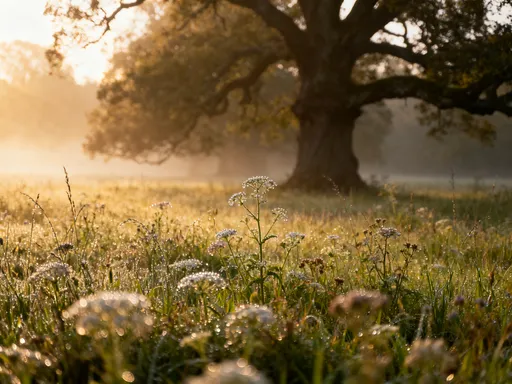
Within the day, early morning is the optimal time to visit. Animals are most active at dawn, and the air is still and clear. By arriving at sunrise, travelers can witness fog lifting off the wetlands, hear the first calls of songbirds, and enjoy trails before others arrive. Late afternoon also offers good conditions, with soft light and cooling temperatures.
To avoid congestion, consider using lesser-known access points. While main entrances near popular beaches may be busy, smaller trailheads along rural roads often provide quieter entry. Combining a nature visit with a stop at a local farmers’ market, or *feria*, adds cultural richness to the outing. These markets, often held on weekends, offer fresh produce, handmade crafts, and warm interaction with residents—simple pleasures that enhance the sense of place.
Weather preparedness is key. Coastal conditions can change quickly, with sudden wind or rain. Layered clothing, a waterproof jacket, and a hat are recommended. Checking tide schedules is also useful, especially near estuaries where paths may flood during high tide. With a little planning, even casual visitors can enjoy these wild spaces safely and respectfully.
Connecting Nature to a Deeper Travel Experience
At its best, travel does more than provide escape—it offers transformation. The hidden wild places near Punta del Este invite visitors to slow down, observe, and reconnect with the rhythms of the natural world. In a society often dominated by screens and schedules, these moments of stillness are rare and valuable. Walking a quiet trail, watching a hawk circle above the dunes, or listening to the whisper of reeds in the wind—these experiences foster mindfulness and inner peace.
They also cultivate a sense of connection—to place, to other species, and to the planet. When travelers witness the intricate web of life in a coastal wetland, they begin to understand their own role within it. This awareness can inspire more sustainable choices, both during the trip and afterward. A vacation that includes nature immersion often leads to lasting changes in perspective, encouraging more thoughtful consumption, reduced waste, and greater support for environmental causes.
Moreover, these experiences create memories that endure far longer than those formed by passive leisure. The joy of spotting a rare bird, the satisfaction of completing a quiet hike, the peace of sitting by a lagoon at sunset—these are the moments that stay with us. They enrich our personal stories and deepen our appreciation for the world’s beauty and complexity.
Punta del Este, when viewed through this lens, becomes more than a luxury destination. It emerges as a place where conservation and enjoyment are not in conflict but in harmony. The presence of thriving natural areas alongside high-end resorts demonstrates that development and preservation can coexist when guided by respect and intention.
As travelers, we have the power to shape the future of the places we visit. By choosing to explore responsibly, to support local conservation, and to value quiet wonder over spectacle, we contribute to a more sustainable and meaningful form of tourism. The wild places near Punta del Este are not just hidden gems—they are invitations. They invite us to look deeper, to listen closely, and to travel not just with our feet, but with our hearts.