You Gotta Taste This: Valencia’s Food Scene Will Blow Your Mind
Valencia, Spain, isn’t just about sun-kissed beaches and futuristic architecture—its soul lives in the sizzle of saffron and the crackle of frying garlic. I wandered its old-town alleys hungry and left utterly transformed by flavors I never expected. From humble street-side bocadillos to the birthplace of paella, every bite tells a story. This is more than a food tour—it’s a cultural dive, a sensory journey you can taste. Let me take you where locals eat, not just where tourists point.
The Heartbeat of Valencia: Food as Culture
Valencia’s cuisine is not merely sustenance—it is the living rhythm of daily life, a reflection of centuries of agricultural tradition, Mediterranean exchange, and familial warmth. Here, food is not rushed. It is honored, prepared with patience, and shared with intention. Meals mark the passage of time: a late morning coffee with a sweet pastry, a long midday lunch that stretches into early afternoon, and a relaxed dinner under the stars. This cadence is not accidental; it is deeply woven into the Valencian identity.
The region’s culinary roots stretch back through waves of cultural influence. The Moors, who ruled for centuries, introduced irrigation systems that transformed the fertile Huerta of Valencia into a verdant garden of citrus groves, almond trees, and rice paddies. They also brought spices like saffron and cumin, ingredients that still define the region’s most iconic dishes. Later, trade across the Mediterranean brought tomatoes, peppers, and other New World crops, which were seamlessly absorbed into local kitchens. Today, the result is a cuisine that feels both ancient and refreshingly vibrant—a true synthesis of land, history, and sea.
In homes across the city, the kitchen remains the heart of the household. Grandmothers pass down recipes handwritten on stained cards, teaching younger generations the precise moment to add rice to a paella or how to balance the smokiness of paprika in a stew. Communal dining is not a luxury—it is the norm. Families gather around large tables, sharing dishes family-style, where conversation flows as freely as the house wine. This sense of togetherness is not reserved for holidays; it is part of everyday life, a quiet celebration of connection and continuity.
Markets, festivals, and local fiestas further underscore food’s central role. The annual Falles festival, while famous for its towering sculptures and fireworks, is equally a feast of tradition. Neighborhoods prepare communal meals, and the scent of frying buñuelos fills the air. Even everyday errands often begin at the market, where shoppers greet vendors by name and inquire after their families. In Valencia, food is never just about eating. It is about belonging, memory, and the quiet pride of a culture that knows how to savor life.
Paella’s True Home: Beyond the Tourist Plate
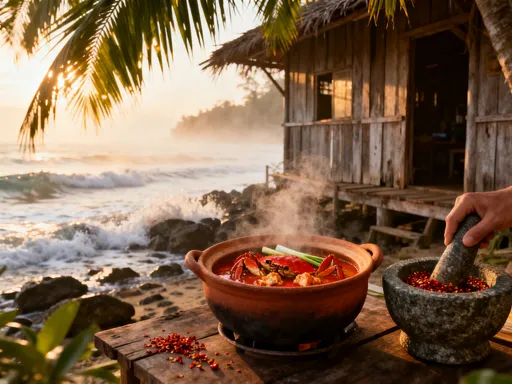
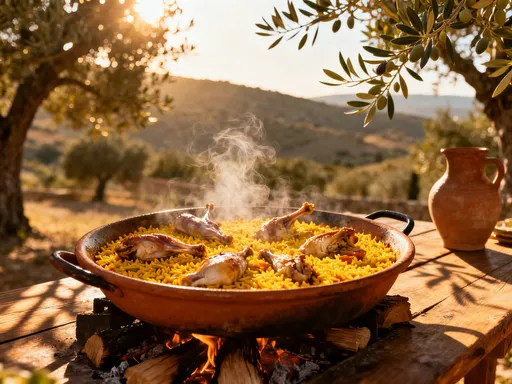
No dish embodies Valencia more completely than paella valenciana, yet few travelers experience it as it was meant to be. What many know as “paella” abroad—overflowing with shrimp, mussels, and squid—is not the original. The authentic version, born in the rice fields outside the city, is a rustic, earthy dish made with chicken, rabbit, green beans, and sometimes snails, all cooked over an open wood fire in a wide, shallow pan called a paellera. Saffron lends it a golden hue, while rosemary and garrofó beans add depth and texture.
The dish originated as a farmer’s meal, prepared in the fields where workers needed something hearty and easy to cook over a single flame. The ingredients were whatever was at hand: local poultry, seasonal vegetables, and the prized Bomba rice, which absorbs broth without turning mushy. This rice, grown in the Albufera lagoon just south of the city, is essential. It soaks up the rich, smoky broth, creating a crust at the bottom known as socarrat—a crispy, caramelized layer that Valencians fight over like treasure.
To taste real paella, one must go beyond the restaurants near the port that serve mass-produced versions to tour groups. The best experiences are found in family-run casales—rustic country homes turned eateries—where meals are often served only on weekends and must be reserved in advance. In places like Albufera Natural Park, these establishments cook paella over orange wood fires, the smoke infusing the rice with a subtle citrus aroma. Here, the pace is slow, the wine is poured generously, and the meal unfolds over hours.
Another hallmark of authenticity is the cookware. Traditional bunyols pans, made of carbon steel, are preferred for their ability to conduct heat evenly. Modern non-stick versions may be convenient, but they cannot replicate the socarrat that defines a perfect paella. For travelers, spotting the real deal means looking for simplicity: no seafood, no excessive garnishes, and a menu that changes with the season. When in doubt, ask locals. If they point you to a place off the main road, where the tables are simple and the napkins are paper, you’re likely in the right place.
Market Hopping: Where Flavor Begins
The Mercado Central is not just a market—it is a cathedral of fresh food, a feast for the senses that has stood in the heart of Valencia since 1928. Housed in a stunning modernist building with a soaring glass roof, it is one of the largest and oldest covered markets in Europe. As you step inside, the air hums with activity: vendors call out specials, knives tap against cutting boards, and the scent of citrus, herbs, and cured meats swirls in the breeze.
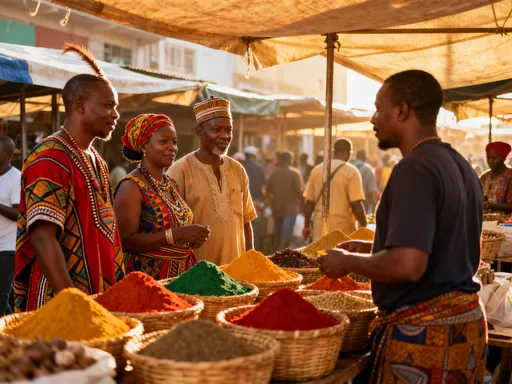
Each stall is a world unto itself. Fishmongers display glistening sea bream, turbot, and red prawns pulled from the Mediterranean that morning. Butchers proudly present Iberian ham, sliced paper-thin from acorn-fed pigs. Produce stands overflow with blood oranges from local groves, fat green asparagus, and the prized tomatoes of the huerta, sweet and fragrant. Spices are sold in bulk—smoky pimentón, golden saffron threads, and dried rosemary tied in bundles. Nothing here feels imported or artificial; everything speaks of the land and sea nearby.
What makes the Mercado Central more than just a shopping destination is its role as a social hub. Locals don’t just come to buy—they come to connect. A grandmother might ask a fish vendor how to prepare a particular cut, and he’ll offer cooking tips with a smile. Friends meet for a mid-morning horchata and a pastry at one of the small cafes tucked between stalls. The rhythm of the market mirrors the rhythm of Valencian life: deliberate, communal, and deeply rooted in quality.
For visitors, the best time to visit is early morning, between 9 and 11 a.m., when the market is fully stocked and the light filters beautifully through the glass ceiling. Come hungry, and don’t be shy—vendors are used to tourists and often happy to offer samples. Try a slice of fresh jamón ibérico, a wedge of Valencian goat cheese, or a small cup of freshly squeezed orange juice. Many stalls also sell ready-to-eat bites, like a simple bocadillo de queso or a small plate of marinated olives. Bring cash, as not all vendors accept cards, and consider bringing a reusable bag—plastic is discouraged in line with the city’s sustainability efforts.
Street Food Gems: What Locals Actually Eat
While fine dining has its place, the soul of Valencia’s food scene thrives in its street food—simple, satisfying, and deeply rooted in tradition. In the narrow lanes of El Carmen and the bohemian streets of Ruzafa, locals queue at unmarked counters for quick bites that pack bold flavor. These are not trendy fusion snacks or Instagrammable novelties. They are enduring favorites, passed down through generations, made with pride and eaten with joy.
One of the most beloved is the bocadillo de calamares—a warm baguette filled with tender, golden-fried squid rings, often drizzled with a touch of garlic aioli or lemon. Found at small bars near the port or tucked into side streets, these sandwiches are a staple after a long day or a late-night stroll. Another favorite is esgarraet, a cold salad made with roasted red peppers, salted cod, garlic, and olive oil. Its origins lie in the need to preserve fish before refrigeration, and its smoky, briny flavor remains a hallmark of Valencian home cooking.
In Ruzafa, a multicultural neighborhood known for its vibrant street art and independent cafes, you’ll find a blend of traditional and modern street eats. A simple churro stand might sit beside a vegan tapas bar, but the classics still dominate. Look for small bakeries selling buñuelos—light, airy fritters often dusted with sugar and served during festivals—or corner bars offering montaditos, small open-faced sandwiches topped with anything from mushrooms to cured ham.
What unites these street foods is their reliance on high-quality, local ingredients and time-honored techniques. The squid is fresh, the peppers are roasted over wood, and the bread is baked daily. Portions are modest by American standards, encouraging people to sample multiple items rather than overeat. For travelers, the key is to follow the locals. If you see a line of residents waiting outside a tiny shop, join them. The best street food in Valencia is rarely advertised with signs or menus—it’s found through word of mouth and curiosity.
Sweet Escapes: Horchata & Beyond
No visit to Valencia is complete without a stop at a traditional horchatería, especially on a warm afternoon. Horchata de chufa, a creamy, slightly sweet beverage made from tiger nuts, is a regional specialty with roots stretching back to Moorish times. Despite its name, the chufa is not a nut but a small tuber grown in the sandy soil around Valencia. When soaked, ground, and strained, it produces a milk-like drink that is naturally dairy-free, refreshing, and subtly nutty.
The ritual of drinking horchata is as important as the drink itself. Locals gather in the late afternoon, often around 5 or 6 p.m., at historic establishments like Horchatería Santa Catalina. They sit at marble-topped tables, order a large glass of horchata, and pair it with fartons—long, soft pastries designed to be dipped into the drink. The combination is simple but deeply satisfying, a moment of pause in the day’s rhythm.
Horchata is more than a beverage; it is a cultural touchstone. During the summer months, it becomes a social event, with families and friends meeting to cool down and catch up. Some horchaterías even stay open late, serving horchata alongside light tapas in the evenings. For visitors, trying horchata is not just about taste—it’s about participating in a tradition that has endured for centuries.
Valencia’s sweet offerings don’t end there. Bakeries across the city sell pastries like napoleón, a flaky puff pastry layered with custard and dusted with powdered sugar. Another favorite is pumpkin ajo, a spiced cake made with roasted pumpkin, cinnamon, and cloves, often enjoyed during autumn festivals. These desserts, like much of Valencian cuisine, balance sweetness with texture and spice, avoiding the cloying richness found in some other European pastries. They are desserts meant to be savored slowly, not rushed.
Coastal Flavors: From Sea to Table
Valencia’s relationship with the sea is as old as the city itself. For generations, fishing families have cast their nets at dawn, returning with the day’s catch to supply markets and kitchens alike. The Mediterranean is not just a backdrop—it is a primary source of nourishment, shaping a cuisine that values freshness above all else. Unlike inland regions where stews and roasts dominate, coastal Valencian cooking is about simplicity: perfect ingredients, minimal intervention, maximum flavor.
One of the most cherished seafood dishes is suquet de peix, a rustic fish stew that varies by village and season. Typically made with monkfish, hake, or sea bass, it includes potatoes, garlic, and a rich, roux-based sauce flavored with almonds and saffron. The broth is thick and velvety, meant to be sopped up with crusty bread. Another favorite is grilled sardines, often served whole with a squeeze of lemon and a drizzle of olive oil. In summer, when sardines are at their peak, they appear on nearly every coastal menu.
For the adventurous eater, raw navajas—razor clams—are a delicacy. Served chilled with a touch of lemon and parsley, they offer a briny, oceanic taste that captures the essence of the sea. At chiringuitos—casual beachfront bars—locals gather at sunset to enjoy these and other small plates while watching the sky turn gold. Malvarrosa Beach is a prime spot, where wooden tables sit just steps from the water and the air carries the scent of salt and grilled fish.
Sustainability is increasingly part of the conversation. Many fishermen now follow seasonal quotas and use selective gear to protect younger fish. Restaurants proudly advertise their commitment to local, responsible sourcing, and diners are becoming more aware of what they consume. This respect for the sea ensures that Valencian seafood remains not just delicious, but enduring.
How to Eat Like a Local: Practical Food Travel Tips
To truly experience Valencia’s food culture, timing and attitude matter as much as destination. Meals here follow a distinct rhythm. Lunch, the most important meal of the day, typically begins around 2:00 p.m. and can last two hours or more. Dinner is late—often not starting until 9:00 or 10:00 p.m.—and is usually lighter, consisting of tapas or small plates shared among friends.
When dining, embrace the local pace. Don’t rush. Order a few dishes at a time, enjoy them slowly, and let the meal unfold naturally. Many authentic spots are cash-only, so carry euros in small bills. Tipping is not expected in the American sense; rounding up the bill or leaving a small coin is customary but never required.
Portion sizes can be modest, especially for tapas, so order multiple items to sample a variety. Don’t hesitate to ask for recommendations—most waitstaff are proud of their menu and happy to guide you. If a dish is labeled “de la casa” (house specialty), it’s usually a safe bet.
For an authentic experience, focus on neighborhoods like El Carmen, Ruzafa, and Patraix, where locals eat and prices remain reasonable. Avoid restaurants with multilingual menus displayed outside or staff who stand on the sidewalk inviting passersby—these are often tourist traps. Instead, look for places filled with residents, especially during off-peak hours.
A suggested 3-day food itinerary might begin with a morning at Mercado Central, followed by a paella lunch in Albufera. Day two could focus on Ruzafa’s cafes and street food, ending with a seaside dinner at a chiringuito. On day three, visit a horchatería in the afternoon and explore a local bakery district, sampling pastries and regional sweets. Throughout, allow room for spontaneity—some of the best meals happen when you follow your nose and ignore the guidebook.
Conclusion
Valencia’s food culture isn’t something you just consume—it’s something you live. Every meal here is a thread in a larger story of land, sea, and tradition. From the first sip of horchata to the last bite of paella, you’re not just tasting flavors—you’re experiencing a way of life that values slowness, seasonality, and connection. The city doesn’t serve food; it shares it, with pride and warmth.
By stepping off the beaten path and embracing local rhythms, travelers don’t just taste Spain—they understand it. You learn that a meal is more than fuel. It is a moment of presence, a celebration of what the earth provides, and a bridge between generations. So come hungry, stay curious, and let the city feed your soul. In Valencia, every bite is an invitation to belong.