Why Are You Still Stressed About Returns When Smart Tech Can Handle It for You?
Ever stood in a returns line, receipt in hand, wondering why such a simple thing feels so frustrating? You’re not alone. Returns shouldn’t mean hassle, guilt, or wasted time. What if the same smart technology that remembers your coffee order could also simplify returning that sweater that didn’t fit? Let’s talk about how modern tools quietly take the stress out of shopping mistakes—and give you back something far more valuable: peace of mind.
The Hidden Stress of Modern Shopping
Let’s be honest—shopping used to feel like a weekend treat. You’d walk into a store, try things on, and leave with something that fit and made you smile. But today? So much of our shopping happens with just a tap, often late at night after the kids are in bed. We’re scrolling, clicking, imagining how that dress will look at a party or how perfect those boots will be with last year’s coat. The excitement is real. But then reality hits: the item arrives, and it’s not quite right. Maybe the color is off, or the fit is tighter than expected. Or worse, your teenager orders two sizes of the same jeans, hoping one works, and now you’re the one dealing with the returns.
This is where the emotional weight starts to pile up. It’s not just about sending something back. It’s the time it takes to repackage, print a label, drive to a drop-off point. It’s the guilt of spending money on something you knew deep down might not work out. It’s the frustration of reading fine print about return windows, restocking fees, or stores that won’t accept worn items—even if you only tried them on once. And let’s not forget the mental load. How many of us keep a mental list of things to return, nagging at the back of our minds like unpaid bills?
I remember standing in line at a mall once, holding a stack of kids’ clothes after the holidays. Two sweaters too small, a pair of shoes that pinched, and a jacket that looked nothing like the photo. The cashier sighed as she scanned each item. I felt like I’d failed—like I should’ve known better. But how could I? Kids grow fast. Screens distort colors. And brands? They don’t size the same. That moment wasn’t just about returning clothes. It was about feeling overwhelmed by the little things that pile up when you’re trying to keep a household running. That’s the hidden cost of returns: not the postage, but the peace of mind it steals from you.
How Technology Is Quietly Changing the Return Game
Here’s the good news: technology isn’t just making shopping easier—it’s making undoing shopping easier too. And it’s happening in ways that feel almost invisible, like a helpful friend who shows up before you even ask. Think about how your phone knows your favorite coffee order. Now imagine that same kind of attention applied to your returns. That’s exactly what’s happening with today’s smarter shopping platforms.
These tools don’t see returns as a failure. They see them as part of the process—something normal, expected, and worth making smooth. When you buy something online, the system remembers. It tracks what you’ve bought, what you’ve returned, and even why. Did you return that brand of blouse because the sleeves were always too long? The app might start suggesting brands with shorter sleeves or flagging that style before you buy again. Did you send back a pair of shoes because they ran small? Some apps now adjust their size recommendations for you automatically, based on your history.
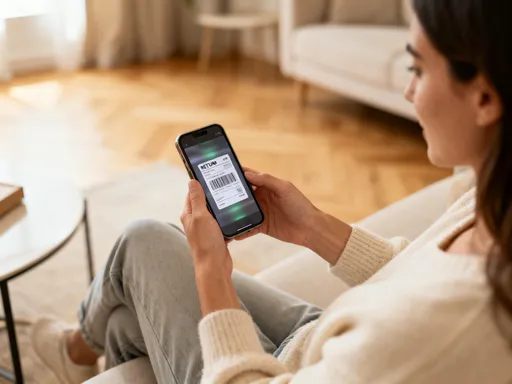
And the return process itself? It’s getting a quiet upgrade. No more digging through emails for a return label. Many apps now generate one with a single tap. Some even let you schedule a pickup from your doorstep through a shipping partner. Others offer instant refunds the moment you drop the package at a local locker or store. No waiting for the warehouse to process it. No wondering if the credit went through. It’s like the system trusts you—and in return, you feel trusted. That small shift? It changes everything. It turns a transaction into a relationship. And for someone juggling work, family, and personal time, that trust feels like a gift.
Even the way we exchange items is changing. Instead of returning something and then starting over to buy the right size, some retailers now let you swap it within the app before the original item is even back in their system. You tap a button, choose the new size, and the updated item ships right away. The return label for the old one is already generated. It’s not magic—it’s smart design that respects your time.
Turning Data Into Your Personal Shopping Ally
We often hear about data in scary terms—like companies tracking us or selling our habits. But what if your data worked for you, not against you? What if it helped you make better choices, save money, and feel more confident about what you buy? That’s exactly what’s possible when you start seeing your shopping history as a tool, not just a record.
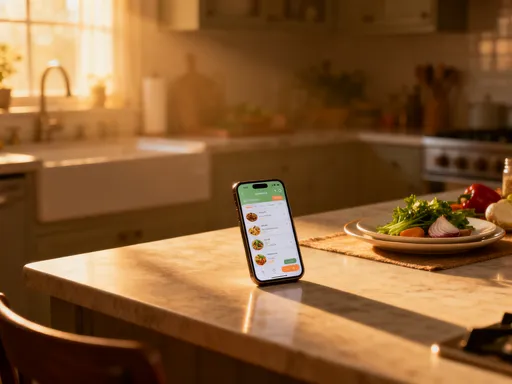
Imagine opening an app and seeing a simple dashboard: your most returned brands, your most loved styles, your fit trends over time. Some platforms already offer this. You might notice, for example, that you return 60% of items from a certain brand because they run small. The app doesn’t scold you. It gently suggests, “Based on your history, we recommend sizing up in this brand.” That’s not surveillance—that’s support.
Or think about seasonal shopping. Every fall, you buy new school clothes for the kids. Some years, everything fits. Other years, growth spurts surprise you. A smart system could learn that pattern. It might remind you, “Last year, your son grew two inches between August and October. Consider buying slightly larger sizes this time.” That kind of insight doesn’t just prevent returns—it prevents stress.
And it’s not just about clothes. Maybe you’ve returned the same type of kitchen gadget twice because it’s too complicated to clean. A personalized shopping assistant could flag that pattern and suggest simpler alternatives. Or maybe you keep buying the same skincare product but returning it because it irritates your skin in winter. A smart system could link that to seasonal changes and recommend a switch in colder months.
The key is control. You decide what data to share, what insights to receive, and how to use them. This isn’t about being watched. It’s about being understood. And when you feel understood by the tools you use every day, shopping stops feeling like a gamble and starts feeling like a conversation—one where you’re finally being heard.
Making Exchanges Effortless: From “Ugh” to “Oh, Nice!”
Let’s talk about exchanges—the part of returns that feels like starting over. You don’t just want to send something back. You want the right thing in its place. And traditionally, that meant waiting for the return to process, then placing a new order, hoping the new size or color is still in stock. By the time it arrives, the moment has passed. The event is over. The season has changed. The urgency is gone.
But now, some retailers are flipping the script. They’re offering what’s called a “ship-first” exchange. Here’s how it works: you request an exchange in the app, choose the new size or color, and the updated item ships right away—before you’ve even sent the original back. The return label for the old item is included in the new package. You wear the new one, send the old one back, and only pay if you keep the replacement. It’s a small change in process, but a huge shift in experience.
I tried this recently with a pair of boots. The first pair was beautiful but tight across the toes. I opened the app, tapped “exchange,” selected a half-size up, and within two days, the new pair arrived. I tried them on, loved them, and dropped the old pair at a nearby drop-off box the next time I was out. No forms. No waiting. No stress. It felt less like a correction and more like a seamless upgrade.
This kind of service is especially helpful for busy families. Imagine your daughter orders a dress for a school dance. It arrives the night before. She tries it on. It’s too short. With a ship-first exchange, you could have the right size delivered the next afternoon—just in time. No panic. No last-minute trip to the mall. No disappointment. That’s not just convenience. That’s emotional relief.
And the best part? These services are becoming more common, not just with luxury brands but with everyday retailers too. It’s no longer a perk for the few. It’s becoming the standard for anyone who values their time and peace of mind.
Protecting Your Peace: How Auto-Refunds and Smart Tracking Help
One of the most stressful parts of returning something? The waiting. You drop off the package. You go home. And then the mental loop starts: Did they receive it? When will I get my refund? Why hasn’t it posted yet? You check your bank account three times a day. You wonder if the package got lost. You start to feel like you’ve been charged for something you no longer have.
Smart tech is finally putting an end to that anxiety. Some platforms now offer auto-refunds—meaning you get your money back the moment you scan the package at a drop-off location. The refund is instant, tracked through the shipping app. You see it happen in real time. No waiting. No guessing. It’s like the system says, “We believe you. Here’s your money back.”
And tracking has gotten smarter too. Instead of a vague “in transit” message, you get clear updates: “Package scanned at locker,” “Refund processed,” “Credit issued.” Some apps even send a confirmation when the store receives and inspects the item. You’re not left in the dark. You’re kept in the loop—without having to chase anything.
Then there are smart lockers and QR code drop-offs. No more printing labels or hunting for tape. You get a code on your phone. You scan it at a secure locker or counter. The package goes in. The system confirms receipt. It’s fast, clean, and receipt-free. Even if you forgot to save the order number, the app knows what you’re returning based on your account history.
These features might sound small, but they add up. They protect your peace. They reduce the mental load of managing returns. And for someone who already carries the invisible weight of household logistics, that protection is priceless. It’s not just about getting money back. It’s about feeling seen, trusted, and supported.
Teaching Teens and Family Members to Return Smarter
Returns aren’t just your responsibility. They’re a family affair. Your teenager buys a hoodie online. It arrives. It’s too big. She leaves it on her bed. Weeks later, you find it, unreturned, and realize the window is closing. Or your partner buys a gift for your mom. She loves it, but it’s the wrong color. Now it’s on you to handle the return.
This is where setting up smart systems as a family can make all the difference. Many shopping apps now allow shared accounts or family profiles. You can link your teen’s purchases to your dashboard, so you both see what’s been bought and what might need returning. It’s not about spying. It’s about supporting. You can set up reminders together: “Let’s check your order status every Sunday night.” Or create a simple rule: “If you don’t love it within 48 hours, we return it together.”
You can also teach your kids how to use return features responsibly. Show them how to generate a label, how to drop off at a locker, how to track the refund. It’s a life skill—one that builds independence and accountability. And when they learn to do it early, they’re less likely to let returns pile up.
Some families even make it a game. “Return challenge” Sundays—where you clear out anything that didn’t work and celebrate the space it frees up. It sounds small, but it builds habits. It turns a chore into a shared win. And it teaches the next generation that it’s okay to change your mind—as long as you handle it with care.
For couples or multi-generational households, shared tools mean fewer misunderstandings. No more “I thought you were returning that!” or “I didn’t know the deadline was Friday.” Everyone stays aligned. And when the system works for the whole family, the benefits multiply: less clutter, more savings, and more trust in the process.
The Bigger Win: Time, Confidence, and Emotional Freedom
At the end of the day, this isn’t just about returning a jacket or getting a refund. It’s about something deeper. It’s about how the small stresses in life add up—and how freeing yourself from them can change everything. Every minute you spend standing in a returns line, every ounce of guilt over a purchase, every anxious check of your bank account—it takes energy. Energy you could be spending on things that matter: time with your kids, rest, a hobby, or simply peace.
Smart return systems don’t just make shopping easier. They give you back control. They reduce the mental clutter that makes decision-making harder. When you know that a mistake isn’t a disaster—that it can be fixed quietly, quickly, without drama—you start to shop with more confidence. You take thoughtful risks. You try new styles. You buy what you love, knowing you’re not locked in.
And that confidence spills over into other areas of life. When you feel capable in the small things, you start to believe you can handle the big things too. You make decisions faster. You worry less. You trust yourself more. That’s the real gift of smart tech—not the features, but the freedom they create.
So the next time you’re holding something that didn’t work out, don’t sigh. Don’t add it to the mental pile. Open the app. Tap the button. Let the system help. Because you deserve to shop without fear. You deserve to return without guilt. And most of all, you deserve to live with a little more ease—one smart, quiet choice at a time.