Tired of Losing Precious Memories in the Chaos of Daily Life? How Online Support Groups Quietly Keep Your Story Alive
Life moves fast—between work, family, and endless to-do lists, meaningful moments often slip away, forgotten in the noise. You snap a photo, save a voice note, or scribble a thought, but later can’t find it when you need it most. What if you didn’t have to remember everything alone? Online support groups are becoming quiet guardians of memory, not just for healing, but for organizing your life in ways that feel natural, shared, and deeply personal. They’re not about scrolling through curated feeds or chasing likes—they’re about showing up as you are, sharing what matters, and knowing someone is holding space for your story.
The Hidden Struggle: When Life Overwhelms Memory
Let’s be honest—how many times have you meant to save something important, only to lose it in the shuffle? Maybe it was your child’s first full sentence, recorded on your phone’s voice memos, now buried under grocery lists and reminders. Or perhaps it was a letter you meant to write your mother before she passed, left unfinished on a draft screen. These aren’t just forgotten files—they’re fragments of who we are. For women in their 30s, 40s, and 50s, this weight is especially real. You’re juggling careers, aging parents, growing kids, and maybe even caring for yourself through transitions like menopause or health changes. In all of it, remembering feels like one more task you don’t have time for.
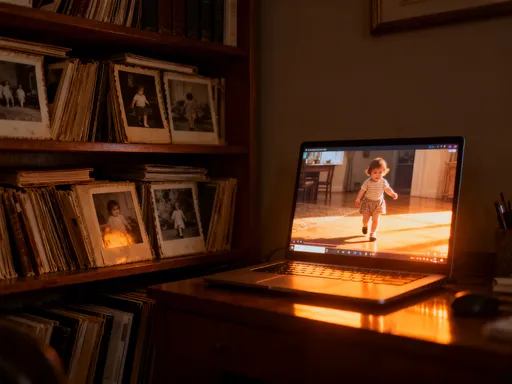
I remember talking to a friend—let’s call her Maria—who told me she couldn’t find the video of her daughter’s first dance recital. Not because it was deleted, but because she had no system. Her phone was full, her cloud storage disorganized, and every time she tried to search, she felt overwhelmed. “It’s like I lived it,” she said, “but now it’s gone.” That moment stayed with me. Because it’s not just about videos or photos. It’s about identity. When we forget the small things—the way our child laughed at three, the advice our grandmother gave us, the quiet strength we found during a hard time—we start to feel disconnected from ourselves.
And it’s not only the joyful moments that matter. Grief, too, lives in memory. One woman in an online grief group shared how she’d lost access to old text messages from her late husband after switching phones. “It wasn’t just the words,” she wrote. “It was his voice in the way he typed.” That loss felt like losing him all over again. These stories aren’t rare. They’re common. And they reveal a quiet crisis: we’re living fuller lives than ever, but we’re not building the structures to preserve them. Memory isn’t just mental—it’s emotional, physical, and deeply tied to our sense of self. When we lose it, we lose part of our story.
Beyond Chat Rooms: What Online Support Groups Really Do Today
You might think of online support groups as places where people go to vent—safe corners of the internet to share pain and feel heard. And yes, that’s part of it. But something deeper is happening now. These communities are becoming living archives. They’re not just about talking through hard times; they’re about preserving them in a way that feels gentle, intentional, and lasting. Think of it like this: instead of your memories living in scattered apps and forgotten folders, they’re now being held in a shared space where they’re seen, acknowledged, and remembered.
Take a look at what’s possible today. In a private Facebook group for women navigating perimenopause, members post weekly updates—not just about hot flashes or sleepless nights, but about small wins. “Today I remembered to drink water all day.” “I finally asked my doctor about that test.” These posts aren’t just confessions—they’re milestones. Over time, they form a timeline of resilience. Other members reply with empathy, share similar experiences, or simply say, “I see you.” That response does something powerful: it anchors the moment in memory. The brain remembers what feels meaningful, and being seen makes an experience feel meaningful.
Some groups use shared digital journals—simple Google Docs or Notion pages where members add entries over time. One group of working moms started a “Year of Small Joys” journal, where each woman adds one thing each week that brought her peace. Reading back through it, they don’t just see their lives—they see growth. Others use encrypted messaging apps like Signal or Telegram to create small, trusted circles where voice notes and photos are exchanged without fear of exposure. These aren’t flashy platforms. They’re quiet, consistent, and built for care, not clicks.
And here’s the shift: unlike social media, where you’re performing for an audience, these spaces are about authenticity. No filters. No pressure to look perfect. Just real life, shared with people who get it. The technology supports this by being invisible—automatic backups, gentle reminders to post, simple interfaces that don’t require tech skills. It’s not about the tool; it’s about what the tool makes possible: a place where your story is safe, even when your mind isn’t holding on tightly.
Memory as Self-Care: How Sharing Helps You Remember
Here’s something science tells us: when you talk about an experience, you remember it better. It’s called the “retrieval practice effect”—every time you recall and retell a memory, you strengthen the neural pathways that hold it. But there’s more. When someone listens with empathy, that memory gains emotional weight. It becomes more vivid, more real. That’s why sharing in a support group isn’t just therapeutic—it’s a form of memory care.
Imagine this: you’re going through a tough divorce. You feel isolated, unsure of who you are anymore. You join a small online group and write about a moment that week when you felt strong—maybe it was saying no to something that drained you, or cooking a meal just for yourself. You hit “post,” not knowing what to expect. Then, replies come in: “That took courage.” “I did something similar yesterday.” “I’m proud of you.” In that moment, your experience is validated. It’s no longer just a fleeting thought in your head. It’s now part of a shared record. And when you go back to that post weeks later, you don’t just remember what you did—you remember how it felt to be seen doing it.
This is especially powerful for women who’ve spent years putting others first. You’ve remembered birthdays, school events, doctor appointments—but who’s remembering you? In these groups, you become the main character of your own story again. One woman in a breast cancer support community told me she started sharing daily voice notes during treatment. “At first, I thought no one would care,” she said. “But when my friends responded, it made me feel like my journey mattered. Now, when I listen back, I hear my strength—even on the days I didn’t feel strong.”
Over time, this builds what psychologists call a “coherent narrative”—a clear, kinder story of who you are and how you’ve grown. That narrative becomes a compass. When life feels chaotic, you can return to these shared memories and say, “This is who I am. This is what I’ve survived. This is what matters.” That’s not just memory—it’s self-knowledge. And it’s one of the most powerful forms of self-care available.
Organizing Life Through Shared Stories
We spend so much time trying to organize our lives with apps and planners—color-coded calendars, reminder systems, productivity hacks. But how often do they actually stick? For many of us, the problem isn’t lack of tools. It’s lack of meaning. A calendar tells you what to do, but it doesn’t tell you why it matters. That’s where shared storytelling comes in. When you post about your life in a support group, you’re not just sharing—you’re organizing. And you’re doing it in a way that feels human.
Think about how it works. When a member shares, “Today was my first yoga class after surgery,” or “I finally updated my will,” or “My son called me ‘Mom’ instead of ‘Mama’ today,” these aren’t random updates. They’re milestones. Over time, they form a timeline that’s personal, emotional, and deeply structured—without feeling rigid. There’s no pressure to be perfect. You can post on good days, bad days, or days when nothing big happened at all. The group becomes a witness to your life, not a judge.
One group of women caring for aging parents started a shared photo album on a private cloud drive. Each month, they add one photo that captures a moment of connection—a shared meal, a quiet walk, a laugh during a tough conversation. Looking back, they don’t just see caregiving—they see love. Another group for women rebuilding after burnout uses a simple weekly check-in: “One win, one struggle, one hope.” These prompts create rhythm. They help members track progress without pressure. And because others are doing it too, it feels like walking together, not racing ahead.
This kind of organization isn’t about efficiency. It’s about continuity. It holds space for grief, celebrates small victories, and reminds you that life isn’t a checklist—it’s a story. And stories need structure to be remembered. When your life is documented in a way that feels kind and connected, you’re more likely to look back, reflect, and grow. You’re not just surviving—you’re making sense of it all.
How to Start: Building Your Own Memory-Safe Community
You don’t need hundreds of members to make this work. In fact, the most powerful groups are often the smallest. Three, five, ten people who care—that’s enough. The key isn’t size. It’s safety, consistency, and trust. So how do you start?
First, think about who already shows up for you. Maybe it’s two close friends from your book club. Or a few moms from your child’s school. Or women you’ve met in a therapy group or wellness class. Reach out and say, “I’d love to create a small space where we can share our lives—no pressure, no judgment, just honesty.” You can start with a simple WhatsApp group or a private Facebook group. If privacy is a concern, consider using an encrypted app like Signal or a shared journal on a secure platform like Dropbox Paper.
Next, set a gentle rhythm. You don’t need to post every day. Try a weekly prompt: “One thing I’m proud of this week,” or “A memory I want to hold onto.” Keep it low-pressure. The goal isn’t performance—it’s presence. Encourage everyone to share in their own way: words, voice notes, photos, even doodles. What matters is that they feel safe doing it.
One woman started a group with her sisters after their mother passed. They now exchange voice messages every Sunday, sharing memories of their mom, updates on their lives, and things they’re grateful for. “It’s not fancy,” she said. “But it keeps her close, and it keeps us close.” Another group of divorced women meets monthly via video call, but stays connected through a shared Notion page where they track personal goals and celebrate wins. “It’s like having sisters who get it,” one member said.
The most important thing? Be consistent. Life gets busy. People forget. But when you return, again and again, to a space where you’re seen, something shifts. You start to believe your story matters. And over time, that belief becomes the foundation of a life that feels more grounded, more meaningful, and more yours.
The Quiet Tech That Makes It Possible
You might be thinking, “This sounds beautiful, but I’m not tech-savvy.” Good news: you don’t need to be. The tools that make these communities work are designed to be simple, intuitive, and invisible. They’re not about features or flashy interfaces. They’re about function—helping you remember without effort.
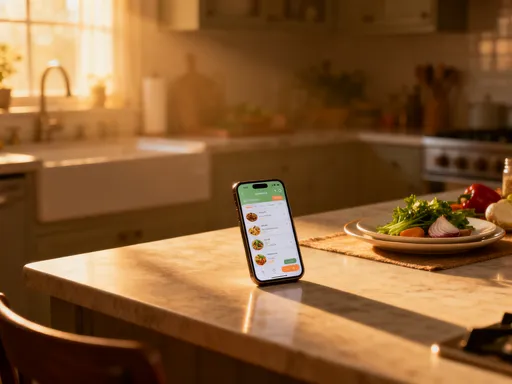
Take cloud storage. Services like Google Drive, iCloud, or Dropbox let you save photos, videos, and documents in a secure place that syncs across devices. No more losing files when you upgrade your phone. Set up a shared folder with your group, and suddenly, everyone can add to a collective memory bank. One group of grandmothers started a “Family Moments” folder where they upload videos of their grandchildren’s milestones. “Now,” one woman said, “even when we’re far apart, we’re still part of each other’s lives.”
Encrypted messaging apps like Signal or Telegram offer privacy and ease. You can create small group chats where voice notes, photos, and texts are protected. No ads, no data mining, no pressure to share publicly. These apps back up automatically, so you don’t lose messages when switching devices. And voice-to-text features mean you can speak your thoughts instead of typing—perfect for those moments when you’re tired, overwhelmed, or just driving with kids in the backseat.
Shared digital journals—like those in Notion, Evernote, or even Google Docs—let you co-create a living document. You can add text, images, checkboxes, and even audio clips. One group uses a shared journal to track their mental health journey, writing reflections every Sunday. “It’s like a time capsule,” one member said. “I can look back and see how far I’ve come.”
And the best part? These tools don’t demand your attention. They don’t send constant notifications or require daily logins. They’re there when you need them, quiet and reliable—like a good friend who remembers your birthday without being reminded.
A New Way to Live: When Remembering Becomes Shared
We’ve been taught that memory is individual—that it’s our job to remember, to organize, to keep track. But what if we didn’t have to do it alone? What if remembering could be an act of connection, not labor? That’s the quiet revolution happening in online support groups. They’re redefining what it means to live a well-organized life—not through perfect schedules, but through shared presence.
In a world that moves too fast, these communities offer something rare: a place where your story is not only heard but held. Where your small moments are seen as significant. Where your grief is witnessed, your joy celebrated, and your growth acknowledged. And over time, that changes how you see yourself. You’re not just surviving the chaos. You’re creating a legacy of meaning—one shared memory at a time.
This isn’t about replacing your own memory. It’s about enhancing it with care. It’s about building a net so that when you forget, someone else remembers for you. And when it’s your turn, you’ll do the same. That’s the power of community. That’s the future of living well. And it’s already here, one quiet post at a time.