Streamlined 300 Family Videos in One Weekend: How Live Stream Archives Saved Our Memories
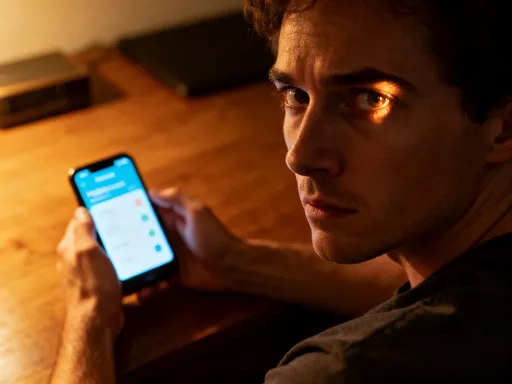
We’ve all had that moment—scrolling through blurry phone clips, trying to find your child’s first steps or your parents’ anniversary toast, only to feel overwhelmed by chaos. I felt the same, until I discovered a simple, often overlooked tool: the archive feature on online live streaming platforms. What started as a way to rewatch concerts quietly became a lifeline for preserving what matters most. No tech expertise needed—just real moments, safely kept. It wasn’t until my nephew asked, ‘Did anyone film Grandma singing at Christmas?’ that I realized how many of our most precious memories were slipping through the cracks. We record them, yes—but then we lose them. The truth? You might already have those moments saved in a place you’ve never checked.
The Hidden Time Capsule in Your Live Stream History
It sounds surprising, but if you’ve ever pressed “Go Live” during a birthday party, school play, or backyard barbecue, there’s a good chance that video still exists—fully intact, clearly recorded, and quietly waiting. Platforms like YouTube Live, Facebook Live, and even Twitch automatically save most live streams unless you’ve turned that feature off. I didn’t know this until last winter, when I searched my old Facebook activity and stumbled upon a video from three years ago: my mother, completely off-script, leading a surprise sing-along at my father’s 70th birthday dinner. I had no idea it was saved. I remembered filming it, yes—but my phone crashed the next week, and I assumed the clip was gone forever. Yet there it was, preserved in full, with clear audio and a wide shot I hadn’t even realized my phone captured.
This isn’t just about convenience. It’s about emotional rescue. So many of us assume that if we didn’t manually save a video to our camera roll or back it up to the cloud, it’s lost. But live streaming platforms operate differently. They’re built to store content by default. That means every time you’ve gone live—whether for 10 minutes or two hours—there’s a high chance that moment still exists in digital form. And unlike fragmented phone videos, these archives are often higher quality, with better stabilization and clearer sound. The best part? You don’t need to be tech-savvy to find them. Just log in, go to your profile, and look for the “Videos” or “Streams” section. You might be stunned by what you uncover.
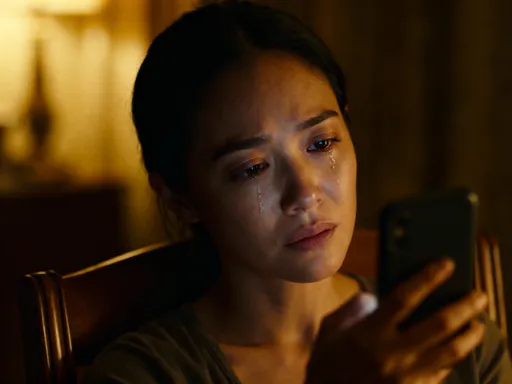
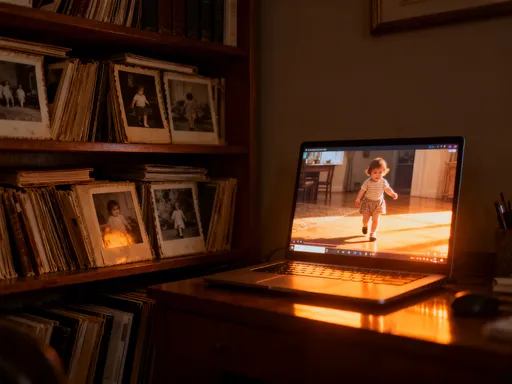
Think about the last family event you streamed. Was it your daughter’s piano recital? Your cousin’s wedding toast? A surprise visit from a long-distance relative? There’s a strong possibility that full recording is still available. And not just the video—many platforms keep the exact time stamps, so you can jump straight to the moment your niece blew out her candles or your dad cracked that old family joke. These aren’t just clips. They’re time capsules. The realization hit me one evening as I watched that birthday video again. My mom passed away last spring. That recording is now one of the clearest, most joyful memories I have of her voice, her laughter, her presence. And I didn’t have to do anything special to save it. The platform did it for me.
Why Traditional Video Storage Fails Our Families
We all mean well. We pull out our phones, we hit record, we think, This is important—I’ll save it later. But then life happens. The tablet gets dropped. The phone gets upgraded. The cloud storage runs out, and videos get deleted without us even noticing. I’ve lost count of how many times I’ve searched for a specific clip—my son’s first soccer goal, my sister’s baby’s first laugh—only to come up empty. Sometimes the file is corrupted. Other times, I realize I never actually pressed record at all. And even when I did, the footage is often shaky, poorly lit, or cut off just before the big moment.
The truth is, our current methods of saving family videos are fragile and inconsistent. We rely on memory, on multiple devices, on manual backups that we rarely follow through on. A study from a few years ago found that the average family loses nearly 40% of their digital photos and videos within five years due to device failure, accidental deletion, or disorganized storage. That’s not just data loss. That’s emotional loss. Those aren’t random clips—they’re milestones. They’re voices we’ll miss. They’re faces we’ll long to see again.
Compare that to how live streaming platforms handle recordings. When you go live, the video is uploaded in real time and stored automatically. No manual saving. No risk of a dead battery cutting it short. No worry about storage space. And because the stream runs continuously, you’re far less likely to miss the key moment. I remember my nephew’s dance recital—my sister was so nervous about filming the right part that she kept stopping and starting. She missed the finale completely. But two aunts had gone live on Facebook, and both full recordings were saved. We watched them together that night, laughing and crying. The difference was night and day. One was a series of shaky clips. The other was a complete, uninterrupted performance—just like being there.
And it’s not just about having the video. It’s about having it in a place you can actually find. How many of us have folders labeled “Videos 2018,” “Old Family,” or “Maybe Backup” that we’re too overwhelmed to sort through? Live stream archives solve that by organizing content chronologically and often tagging it with event names or dates. You don’t have to remember which device you used or where you saved it. You just go to one place. It’s like having a librarian quietly organizing your memories while you live your life.
How Live Streaming Platforms Keep More Than Just the Moment
What makes these archived streams truly special isn’t just the video—it’s the context. When you watch a live stream recording, you don’t just see the event. You hear it, feel it, relive it. Most platforms save the live chat alongside the video. That means you can see the comments pop up in real time: your sister writing “Mom’s crying!” as the birthday cake is brought out, your best friend typing “She’s so brave!” during your daughter’s graduation speech, your cousin from overseas saying “I wish I was there” as the family dances in the backyard.
These aren’t just text messages. They’re emotional echoes. They capture the energy of the room, the shared joy, the collective pride. I watched my father’s retirement party stream again last month, and there it was—my brother’s comment appearing exactly as Dad stood up to speak: “Here we go. Get the tissues ready.” That single line made me laugh and cry at the same time. It wasn’t just a recording. It was a shared experience, preserved in full.
Some platforms even keep the audio of viewer reactions if they were part of the stream—like a virtual audience clapping or cheering. I once watched a replay of my niece’s virtual fifth birthday party, and when she opened her presents, you could hear the voices of her little friends shouting “Yay!” through the speakers. It made the moment feel alive, not frozen. These details turn a simple video into a living story—one that your children and grandchildren can step into years from now and feel like they were really there.
And accessing these features is easier than you think. On Facebook, for example, when you play back a past live video, the chat log appears in a sidebar that you can expand or minimize. On YouTube, the live chat is often saved as a separate transcript, but you can sync it with the video timeline. You don’t need to edit anything. You don’t need special software. You just press play, and the moment unfolds as it happened. It’s like opening a letter you didn’t know someone wrote to you—a surprise gift from the past.
Turning Chaos into a Family Archive: A Step-by-Step Guide
So how do you go from scattered clips to a meaningful family archive? It’s simpler than it sounds. Start by setting aside a weekend—just two or three hours. Sit down with a cup of tea and log into your main social media accounts. Go to your profile, find the “Videos” or “Streams” section, and look for past live events. Search by keywords: “birthday,” “graduation,” “holiday,” or even names like “Emma” or “Grandpa.” You might be surprised by how much you find.
Once you’ve located your streams, the next step is organization. Create private playlists or collections. On YouTube, you can make a playlist titled “Family Milestones” and add videos from different years. On Facebook, you can group streams into “Private Collections” that only you can see. Name them something meaningful: “Dad’s Last Birthday,” “The Year We Moved,” “First Christmas in the New House.” These aren’t just labels. They’re emotional anchors. They help you—and your family—navigate your history with clarity and care.
Now, decide what to keep and what to share. You can download high-quality versions of your streams directly from most platforms. This is useful if you want to burn a DVD for an older relative or save a copy to an external drive. But even if you don’t download them, keeping them securely stored online is powerful. Share access by sending unlisted links to siblings, cousins, or adult children. I created a shared Google Doc with links to our most important streams—my sister updates it whenever a new one is posted. It’s become our family’s digital memory book.
The beauty of this system is that it grows with you. Every time you go live for a family event, you’re automatically adding to the archive. No extra effort. No complicated editing. Just press record, live the moment, and let the platform do the rest. Over time, you’ll have a timeline of your family’s life—unbroken, heartfelt, and easy to revisit. And when someone asks, “Did we ever get that on video?” you’ll be able to say, “Yes. And I’ll send you the link.”
Protecting Privacy While Preserving Legacy
I know what some of you are thinking: But isn’t this putting our family online? It’s a valid concern. We want to preserve memories, not expose them. The good news is that these platforms offer strong privacy controls. You don’t have to make anything public. On Facebook and YouTube, you can set your live streams to “Unlisted” or “Private.” Public means anyone can find it. Private means only specific people you approve can view it. But “Unlisted” is often the sweet spot: anyone with the link can watch, but it won’t show up in searches or on your profile. It’s like having a safe with a key—you decide who gets the key.
I’ve used unlisted streams for everything from my daughter’s first communion to my mother’s final birthday. I share the link only with immediate family. We can watch it together, comment on it, even rewatch it years later—without worrying about strangers seeing it. And if I ever want to remove access, I can change the link or delete the video entirely. I’m in control.
Another tip: avoid including sensitive information during your streams. Don’t show full addresses, school names, or personal phone numbers on screen. And if kids are involved, consider waiting until they’re older to share certain videos more widely. This isn’t about fear. It’s about responsibility. We can honor our memories without compromising safety.
Preservation doesn’t have to mean exposure. In fact, some of the most powerful uses of live stream archives are the quietest—the private viewings, the late-night rewatching, the moments shared only between a mother and daughter, a sister and brother. Technology, when used thoughtfully, doesn’t invade our privacy. It protects our legacy.
Bridging Generations Through Archived Streams
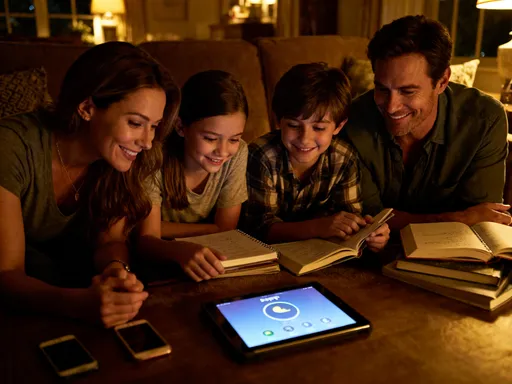
One of the most touching moments since I started organizing our streams was watching my 10-year-old son laugh at a video of his younger self dancing in the kitchen. He had no memory of that day. But there it was—his tiny socks slipping on the tile, his arms flailing, my voice off-camera saying, “You’re a rockstar!” He watched it three times in a row. Later, he asked, “Can I show this to my friend?” That’s when it hit me: these aren’t just memories for us. They’re gifts for them.
Think about your grandparents. Did you ever wish you could hear their voice again? See them move, laugh, tell a story? Now imagine your grandchildren having that chance with you. These archived streams become heirlooms—modern-day letters, videos, and songs passed down not in boxes, but in links and playlists. I’ve started a private collection called “Family Voices” where I save any clip that features someone’s speech, laughter, or song. My hope is that one day, my grandchildren will watch it and feel like they knew us.
And for families spread across time zones or continents, these videos are lifelines. My cousin in Australia lost her mom last year. She told me she rewatched their last family reunion stream every Sunday. “It’s the only way I can still hear her laugh,” she said. That’s the power of preservation. It doesn’t bring people back. But it keeps their presence alive in a way photos alone never could.
These streams aren’t performances. They’re proof. Proof that we were here. That we loved. That we celebrated, grieved, danced, and sang together. And now, those moments don’t have to fade. They can be revisited, shared, and carried forward.
Making Memory Preservation Effortless
The most beautiful part of all this? It doesn’t require perfection. You don’t need a tripod, a fancy camera, or perfect lighting. You don’t need hundreds of followers or thousands of likes. All you need is one phone, one steady surface, and the courage to press “Go Live.” Not for an audience. For your family. For your future self.
Make it a ritual. Before the birthday candles are blown out. As the graduation car pulls into the driveway. When the first snowfall dusts the backyard. Just start the stream. Let it run. Don’t worry about framing or sound. The moment matters more than the production.
Over time, these small acts build something extraordinary—a continuous, unbroken record of your family’s life. Not curated. Not filtered. Real. And when years pass, and voices change, and faces grow older, you’ll have something irreplaceable: proof of the love, the joy, the ordinary magic of being together.
So check your old streams. Organize what you find. Start saving new ones with intention. Because the best memories aren’t the ones we stage for the camera. They’re the ones we forget to save—only to discover, years later, that they were never really gone. They were just waiting for us to press play.