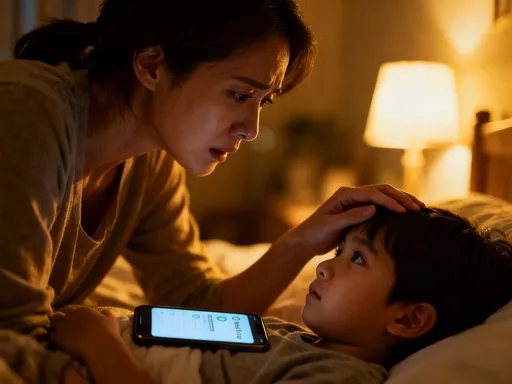
I kept saying 'I’ll start tomorrow'—this app finally made me stick to my goals
How many times have you promised yourself a fresh start—only to lose momentum by the third day? You're not alone. We’ve all been there: setting goals with real excitement, only to watch them fade into the background of daily life. But what if staying on track felt less like a struggle and more like having a supportive friend who just gets it? That’s exactly what I discovered when I joined an interest-based group that quietly transformed how I build habits—no pressure, just progress. It wasn’t flashy or full of bells and whistles. Just a simple space where people showed up, shared tiny wins, and gently reminded each other they weren’t alone. And somehow, that made all the difference.
The Moment Everything Changed: When "Someday" Finally Became "Today"
I used to be the queen of fresh starts. January 1st? I’d sign up for a yoga class, buy a planner, and promise myself I’d finally write that novel. Spring cleaning season? I’d vow to cook healthy meals every night and organize every drawer in the house. Even random Tuesdays weren’t safe—I’d wake up convinced this was the day I’d finally start meditating, reading more, or saving money. But by day three, life would get busy, my energy would dip, and that burst of motivation would vanish like morning fog. The guilt always followed. Not the loud kind, but the quiet, nagging voice that whispered, Why can’t you just stick with something?
Then one rainy afternoon, while scrolling through a wellness forum, I stumbled on a small online group for women working on personal growth goals. No big promises, no aggressive coaching—just a cozy corner of the internet where people posted things like, "Day 4 of drinking more water—felt bloated today, but I did it anyway," or "Read five pages before bed. My eyes were heavy, but I showed up." Something about the honesty drew me in. I clicked "Join" on a whim, not expecting much. But within a week, I found myself checking the group every morning, not out of obligation, but curiosity. Who posted? Who celebrated a win? Who needed a little encouragement?
That’s when it happened: I actually completed a full week of journaling—something I hadn’t done in years. Not because I suddenly had more willpower, but because I didn’t feel like I was doing it alone. When I posted my check-in, someone replied with a little heart emoji. Another said, "So proud of you for showing up, even if it was messy." It sounds small, but that tiny bit of recognition made me feel seen. And that feeling? It became addictive in the best way. For the first time, "someday" didn’t feel like a distant dream. It felt like today.
Why Going It Alone Almost Always Fails
We’re taught that strong people do it on their own. That real discipline means white-knuckling through goals without help. But here’s the truth no one talks about: willpower is a limited resource, and motivation fades. When you’re trying to build a new habit in silence, there’s no mirror to reflect your progress. No one sees you skip a day—or celebrate a win. And over time, that invisibility chips away at your confidence. You start to wonder, Is this even working? Am I making any difference?
Psychologists call this the "accountability effect"—the idea that we’re more likely to follow through when someone else knows what we’re trying to do. It’s not about shame or pressure. It’s about connection. Studies have shown that even passive observation—just knowing someone else can see your progress—increases the likelihood of sticking with a goal by up to 65 percent. Think about it: would you be more likely to skip a workout if your best friend was waiting for your "done!" text? Of course not. Because on some level, we all want to be trusted, counted on, and noticed.
I saw this play out in the simplest way. I’d been trying to journal for years—buying beautiful notebooks, setting intentions, only to abandon them after three days. But when I shared my goal in the group—"Five minutes a day, no rules, just showing up"—something shifted. I wasn’t doing it for perfection anymore. I was doing it because Sarah might say, "Yay, you wrote about your garden! That made me smile." Or Maria might comment, "Same energy today—my thoughts were all over the place too." Suddenly, it wasn’t about the words on the page. It was about the act of showing up, witnessed by people who understood. And that made all the difference.
The Hidden Power of Interest-Based Communities
Not all groups are created equal. I’ve tried goal-tracking apps before—ones that ping you with reminders, track your streaks, and give you badges. They’re helpful in their own way, but they lack something essential: warmth. A robot can’t say, "I know how hard today was," or "You’ve been quiet—sending you quiet support." That’s where interest-based communities shine. When you join a group centered around something you genuinely care about—whether it’s mindfulness, slow living, journaling, or plant-based cooking—you’re not just tracking habits. You’re connecting with people who speak your language.
These communities create a shared rhythm. Everyone understands the small struggles: the 8 p.m. temptation to skip yoga because the couch is calling, the guilt of ordering takeout instead of cooking, the frustration of missing a day. But instead of judgment, there’s empathy. The unspoken rule is: We’re all trying. We’re all imperfect. And that’s okay. That sense of belonging does something quietly powerful—it makes you feel safe enough to keep going, even when you’re not winning.
I remember reading a post from a woman named Lila who wrote, "Day 12 of no shopping. I almost bought a sweater today. But I took a photo of it, sent it to the group, and we all laughed about retail therapy." That moment stuck with me. It wasn’t about willpower. It was about having a circle that helped her pause, reflect, and choose differently—not because she was failing, but because she was supported. That’s the magic of these spaces. They don’t just help you change a habit. They help you change your relationship with yourself.
From Tracking to Belonging: How Technology Bridges the Gap
The best part? You don’t need a complicated app with ten features to experience this. The platform I use is surprisingly simple. When I log in each morning, I see a feed of updates—little check-ins, photos of morning coffee with a journal, screenshots of meditation timers, or short voice notes saying, "Today was hard, but I walked for ten minutes." I can react with a heart, a star, or a "You’ve got this" emoji. Sometimes I leave a comment. Other times, I just scroll and absorb the energy.
What makes it work is the design philosophy: low pressure, high warmth. There’s no leaderboard. No public callouts for missed days. No pressure to post every single day. It’s not about performance. It’s about presence. And because the interactions are optional, they feel authentic. When someone celebrates your win, you know they mean it. When they offer support, it’s because they care—not because the app told them to.
My daily ritual now looks like this: I make my tea, open the app, and scroll through the morning posts. Then I add my own—sometimes it’s a photo of my yoga mat, sometimes it’s just the word "Done." Other days, it’s "Tried. Failed. Trying again tomorrow." And every time, I feel a little more grounded. It’s not about perfection. It’s about connection. And that tiny daily act—logging in, checking in, showing up—has become a cornerstone of my routine. The tech doesn’t replace human connection. It gently amplifies it.
Small Wins, Big Shifts: The Habit-Formation Effect in Action
One of the most powerful lessons I’ve learned is this: transformation doesn’t come from big, dramatic changes. It comes from tiny, consistent actions—especially when they’re witnessed. When you post that you drank eight glasses of water, wrote one paragraph, or took a five-minute stretch break, and someone says, "That counts!"—something shifts inside you. You start to believe it counts too.
This is how identity change happens. At first, you think, I’m trying to be someone who journals. But after 30 days of check-ins, comments, and quiet support, you start to think, I am someone who journals. That subtle shift—from trying to being—is where real change takes root. And the group plays a quiet but essential role in that transformation. They become mirrors, reflecting back the version of you that shows up, even when you don’t feel like it.
I watched this happen with a woman in the group named Denise. She joined saying she wanted to meditate but hadn’t managed more than three days in a row—ever. Her first post was shaky: "Sat for two minutes. Felt silly." But the group responded with kindness. "Two minutes is two minutes more than yesterday!" "No such thing as silly here." Slowly, she kept going. Five minutes. Then ten. Some days she missed. She said so. And instead of shame, she got support: "Rest days count too." Nine months later, she shared a voice note: "Today was day 90 of meditation. I didn’t do it for streaks. I did it because this group reminded me I was worth the time." That moment brought tears to my eyes. Because it wasn’t about meditation. It was about self-worth. And that’s what these communities do best—they help you remember your worth, one small win at a time.
Making It Your Own: How to Find (or Build) the Right Group
If you’re wondering how to start, here’s what I’ve learned: the right group feels like a soft place to land, not another to-do list. When you’re looking for a community—whether it’s online or in real life—ask yourself a few simple questions. Does it feel safe? Can you be honest about your struggles without fear of judgment? Is the tone kind, not pushy? Is participation encouraged but never forced?
You don’t need hundreds of members. In fact, smaller groups often work better. I’ve seen beautiful circles form between just three friends who check in weekly about their reading goals. One woman started a private thread with her sister and cousin to support each other in cooking more at home. They share photos, swap recipes, and cheer each other on—even when dinner burns. The key isn’t size. It’s sincerity.
If you can’t find the right group, consider starting one. It doesn’t need to be fancy. A simple WhatsApp chat, a private Facebook group, or even a shared Google doc can work. Invite people who share your values, not just your goals. And set the tone early: "We’re here to support, not compare." "Progress over perfection." "Showing up is enough." Over time, that shared language becomes a quiet force that pulls everyone forward.
And please—steer clear of toxic positivity. You know the kind: "Just think happy thoughts!" "You can do anything if you believe!" That kind of energy can feel isolating when you’re having a hard day. What we need isn’t blind optimism. It’s compassionate realism. A space where you can say, "Today was rough," and someone replies, "Me too. Want to sit in silence together?" That’s the kind of support that lasts.
Beyond the App: What Lasting Change Really Feels Like
It’s been over a year since I joined that little online circle. And while I’ve checked off plenty of goals—more reading, consistent journaling, better sleep—the real transformation isn’t in the habits themselves. It’s in how I move through the world now. There’s less self-judgment. Fewer "I should" moments. More self-trust. I’ve learned that showing up—even imperfectly—is its own kind of victory. And that consistency, not intensity, is what builds a life you love.
The ripple effects have surprised me. I’m calmer with my kids, not because I have more time, but because I’m less at war with myself. At work, I make decisions with more confidence, because I’ve proven to myself that I can follow through. Even my relationship with my body has softened—less criticism, more gratitude for what it can do. All of this started with a simple choice: to stop going it alone.
When I think about what really changed, it wasn’t the app. It wasn’t the features or the notifications. It was the feeling of being part of something small, steady, and kind. It was knowing that somewhere, someone was rooting for me—not because I was perfect, but because I was trying. And in return, I got to root for them. That mutual care, that quiet encouragement, became the invisible scaffolding that held me up when I wanted to quit.
If you’ve ever looked at your goals and felt that familiar mix of hope and doubt, I want you to know this: you don’t have to do it alone. You don’t need a dramatic overhaul or a magic solution. You just need one small space where you feel seen, supported, and gently reminded that progress is possible—even on the messy days. Because sometimes, the most powerful technology isn’t the one that tracks your steps. It’s the one that helps you believe in yourself, one tiny win at a time.