From Lone Struggles to Shared Wins: How Task Apps Turn Discipline Into Connection
Living alone with your goals can feel exhausting. You set reminders, write lists, and promise yourself 'this time it’s different'—but motivation fades by Wednesday. I discovered something surprising: the right task app didn’t just organize my to-dos—it connected me to people who cared. Suddenly, building habits felt lighter, even joyful. It wasn’t magic. It wasn’t about working harder. It was about not working alone. This isn’t just about productivity; it’s about belonging. And once I realized that, everything changed—not just how I got things done, but how I felt while doing them.
The Quiet Burnout of Going It Alone
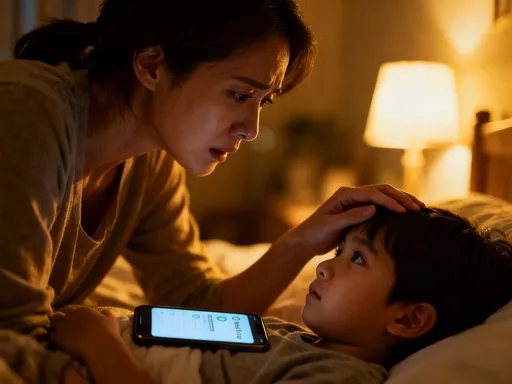
Have you ever sat at the kitchen table on a Sunday night, staring at a blank notebook, pen in hand, heart sinking? You want to plan your week—meal prep, laundry, that work project, maybe even 20 minutes of stretching before bed. But instead of feeling inspired, you feel defeated. The list hasn’t even started, and already it’s too much. I’ve been there. More times than I can count. And it’s not because I’m lazy. It’s because carrying all of it—every reminder, every deadline, every tiny promise to myself—feels like walking uphill with a backpack full of rocks.
We talk a lot about discipline like it’s a personal failing. 'If only I had more willpower,' we say. 'If only I could just stick to it.' But what if the problem isn’t willpower at all? What if it’s isolation? When we treat our goals like private missions—something we have to conquer alone—we turn every small task into an emotional burden. Folding the laundry isn’t just folding clothes. It’s proof we didn’t fail today. Going for a walk isn’t just movement. It’s a test of whether we’re 'good enough.' And when we don’t follow through? That’s not just a missed task. That’s a whisper: 'You let yourself down. Again.'
I remember one winter, I tried to build a habit of journaling every morning. I bought a beautiful notebook, set an alarm, even lit a candle. For three days, it felt sacred. By day five, I was dreading it. The blank page felt like judgment. And the worst part? No one even knew I was trying. There was no one to say, 'Hey, how’s it going?' No one to notice if I stopped. And so, quietly, I did. That’s the thing about going it alone: when you quit, it doesn’t echo. It just disappears. And that silence? It chips away at your confidence. Over time, it makes you less likely to try again.
We weren’t meant to do this solo. Humans thrive on connection, on being seen. Even the simplest act feels different when someone else knows about it. Think about it: have you ever told a friend, 'I’m going to call the dentist today'? And then, somehow, you actually did it? That’s not coincidence. That’s the quiet power of being held, even lightly, by another person. But most task apps don’t support that. They’re built for solo pilots, not shared journeys. And so, we keep cycling through the same pattern: start strong, fade fast, feel guilty. But what if it didn’t have to be this way?
How Task Apps Became My Unexpected Lifeline
The shift started small. I was using a popular task app to track my daily habits—drinking enough water, walking 8,000 steps, reading before bed. One evening, I noticed a little button: 'Share progress with a friend.' I hesitated. Sharing felt… vulnerable. What if I failed? What if they thought I was bragging? But I was tired of quitting in silence. So I tapped it. I sent a simple message to my sister: 'Trying to drink more water this week. Just hit my goal today!' I didn’t expect much. Maybe a quick 'nice job' text. But her reply came fast: 'That’s amazing! I’m so proud of you!' And something inside me lifted. Not because I’d drunk water—something I’d done a thousand times before—but because someone noticed.
That tiny moment changed everything. It wasn’t about the task. It was about the connection. For the first time, my habit wasn’t just a private chore. It was a shared win. The next day, I wanted to hit my step goal—not just for me, but so I could share it again. I started adding little notes: 'Walked with the dog in the rain—felt so good!' My sister began sharing her own goals: packing her daughter’s lunch the night before, flossing (yes, flossing!). We weren’t competing. We weren’t even giving advice. We were just showing up for each other, one small task at a time.
That’s when I realized: the app wasn’t just a tool. It was a bridge. It turned my private struggle into a quiet conversation. And the more I used it that way, the lighter the tasks felt. I wasn’t just tracking habits. I was building a rhythm of care—with myself, and with someone who cared about me. The app didn’t make me more disciplined. It made me feel supported. And that support? That’s what made discipline possible.
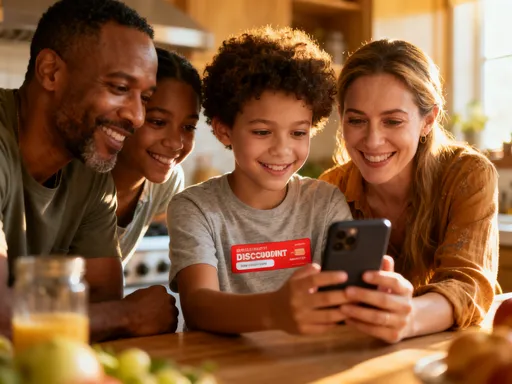
I started exploring other features. I created a shared list with my partner for weekend errands. Instead of nagging texts—'Did you pick up the milk?'—we just checked off items as we went. No drama. No guilt. Just a little green checkmark that said, 'I’ve got this.' I set up a weekly family chore list with my teens. At first, they rolled their eyes. But then they realized they could add funny emojis when they finished a task. Suddenly, taking out the trash became a tiny performance. And when I left a heart reaction on their completed homework task? I saw it. A little smile. A flicker of pride. They weren’t just doing chores. They were being seen.
The Science of Shared Habits (Without the Jargon)
You don’t need a PhD to understand why this works. Think about exercise. Have you ever committed to a workout with a friend? You’re more likely to show up, right? Even if you’re tired, even if it’s raining, you go—because you know they’re waiting. You don’t want to let them down. That’s not weakness. That’s human nature. We’re wired to follow through when we’re part of something bigger than ourselves. When someone else is involved, our brain treats the task differently. It’s no longer just about us. It’s about connection, about showing up for someone we care about.
Researchers call this 'social accountability.' But that sounds so clinical. I think of it as 'peer care.' It’s not about pressure. It’s about presence. It’s knowing that someone else is in your corner, even if they’re just watching from the sidelines. Studies have shown that people who share their goals with others are significantly more likely to achieve them—especially when the support is positive and encouraging. But here’s the key: it only works if it feels safe. If the other person is judging you, criticizing you, or making you feel small, that accountability turns into stress. And stress kills motivation.
But when it’s done with warmth? When it’s a simple 'I see you trying, and I’m here'? That’s powerful. It taps into something deep: our need to belong. Think of it like a habit loop with a heartbeat. You set a goal (cue), you take action (routine), and instead of just checking a box, you get a little ping of connection (reward). That reward isn’t just dopamine from completion. It’s oxytocin—the 'bonding hormone'—from being acknowledged. Over time, your brain starts to associate the task not with effort, but with care. And that makes you want to do it again.
Even small children understand this. Watch a toddler learn to clean up toys. If they do it alone, it’s a chore. But if a parent sits beside them, saying, 'Look at how helpful you are!'—suddenly, it’s play. The task hasn’t changed. The connection has. The same principle applies to us, no matter our age. We don’t need more willpower. We need more warmth. And when technology helps deliver that warmth? That’s when it stops being just a tool and starts feeling like a companion.
Choosing Apps That Foster Real Connection
Not all task apps are built for this. Many are designed for efficiency, not emotion. They help you sort tasks by priority, set deadlines, and track streaks. But they don’t help you share the journey. So how do you choose one that does? Start by looking for apps that make sharing easy and natural. The best ones don’t force it. They invite it. They have features that feel human, not robotic.
Look for shared lists. Not just for groceries, but for anything—fitness goals, reading challenges, home projects. The ability to see someone else’s progress in real time creates a quiet sense of togetherness. I use one with my cousin for our monthly reading goal. We don’t talk about the books every day. But seeing her check off a novel? It nudges me to pick up mine. And when I finish one, I add a little note: 'This made me cry—highly recommend.' She does the same. It’s not a book club. It’s a quiet conversation across miles.
Another key feature: gentle notifications. Not the kind that buzz at you like a drill sergeant, but soft reminders that say, 'Hey, you’ve got this.' Some apps let you send voice notes or emoji reactions. I love that. A simple thumbs-up or heart can say more than a paragraph. One friend uses a voice note to say, 'Just saw you finished your walk—so proud!' Hearing her voice, even for three seconds, feels like a hug.
Also consider apps that allow for shared calendars or project tracking, even if you’re not working on a project. I adapted one for my garden plan. My daughter and I share tasks: 'Plant tomatoes,' 'Water herbs,' 'Harvest basil.' She loves adding photos when she’s done. Last week, she sent a picture of a tiny tomato with the caption: 'Our baby is growing!' That’s not just task management. That’s memory-making.
The point isn’t to overcomplicate it. You don’t need every feature. Start small. Pick one person you trust—a partner, a sibling, a close friend. Try sharing one habit. See how it feels. The right app won’t make you feel watched. It’ll make you feel held.
Turning Chores Into Shared Moments
Here’s what surprised me most: the more I shared my tasks, the less like tasks they felt. Folding laundry with a shared list? It became a game—'Who can finish their pile first?' Meal planning with my partner? It turned into a cozy Sunday ritual, with music and tea, checking off recipes we both wanted to try. Even the dreaded tax prep felt lighter when I shared my progress with my sister: 'Spent 30 minutes organizing receipts. Survived!' Her reply: 'Heroic. Treat yourself to chocolate.' And I did.
These aren’t grand achievements. No trophies, no applause. But they’re meaningful. Because they’re shared. My son started using a task app for his school projects. Instead of me asking, 'Did you start your essay?' every night, he shares updates: 'Outline done!' I react with a star or a fire emoji. No nagging. No tension. Just quiet support. And last week, he said, 'Mom, it feels good when you see what I’ve done.' My heart nearly broke. That’s all any of us want, isn’t it? To be seen?
Even my morning routine changed. I used to rush through it, feeling guilty if I skipped a step. Now, I share little wins with a friend: 'Meditated for 10 minutes!' 'Made a green smoothie!' She does the same. It’s not about perfection. It’s about showing up. And when she messages, 'I didn’t meditate today, but I drank water!' I reply, 'That still counts.' Because it does. Progress isn’t linear. But connection? That’s steady.
The tech fades into the background. I don’t think about the app. I think about the person on the other side. The checkmark isn’t just a symbol of completion. It’s a tiny act of care. And over time, those tiny acts build something bigger: a sense of belonging. A life that feels held.
When Connection Falters—And How to Reset
It’s not always smooth. There was a week when my sister didn’t respond to any of my updates. I felt a pang of rejection. Had I annoyed her? Was she too busy? I almost stopped sharing. But then I reminded myself: connection isn’t perfect. It’s repairable. The next time we talked, I said, 'I missed our little check-ins. Did I overdo it?' She laughed. 'No! I’ve just been swamped. But I love seeing your updates—can we start again?' We adjusted—fewer messages, just once a week. And it felt better.
That’s the thing about shared habits: they need tending, like a garden. Sometimes life gets busy. People forget. Notifications get ignored. That’s okay. The goal isn’t constant connection. It’s resilient connection. When it falters, it’s not a failure. It’s a chance to talk, to adjust, to reconnect.
If someone isn’t responding, don’t assume the worst. Maybe they’re overwhelmed. Maybe they need a break. Try a gentle message: 'No pressure, but I’d love to hear how you’re doing with your goals.' Or adjust the settings—turn off notifications, switch to weekly updates. The app should serve your relationship, not strain it.
And if a shared goal falls apart? That’s okay too. Maybe you and your partner tried a joint fitness challenge and only lasted three days. Don’t shame yourselves. Laugh about it. 'Remember our 5 a.m. workout dream? Adorable.' Then try again, later, with a smaller step. The point isn’t perfection. It’s showing up, again and again, with kindness.
Beyond Productivity: Building a Life That Holds You
Looking back, I realize I wasn’t just looking for a better way to manage tasks. I was looking for a better way to feel. Less alone. More supported. More seen. And that’s what these shared habits gave me. They didn’t just help me drink more water or finish my to-do list. They helped me feel connected in the small moments—the ones that make up most of our days.
We spend so much time chasing big wins. But life isn’t lived in the grand gestures. It’s lived in the quiet routines: making coffee, packing lunches, paying bills, walking the dog. When we share those moments, even in tiny ways, we turn them into something more. We turn them into care. We turn them into love.
Technology gets a bad rap sometimes. We hear about screen addiction, social media envy, digital overload. And yes, those are real. But tech can also be a vessel for warmth. It can help us show up for each other, even when we’re apart. It can turn discipline from a lonely grind into a shared journey.
So if you’ve ever felt like you’re the only one trying—like no one notices your effort—try this: pick one habit. Share it with one person. Just one. Send a simple 'Done!' and see what happens. Maybe they’ll reply. Maybe they won’t. But you’ll have done something brave: you’ll have reached out. And in that act, you’ve already won. Because you’re not alone. And that changes everything.